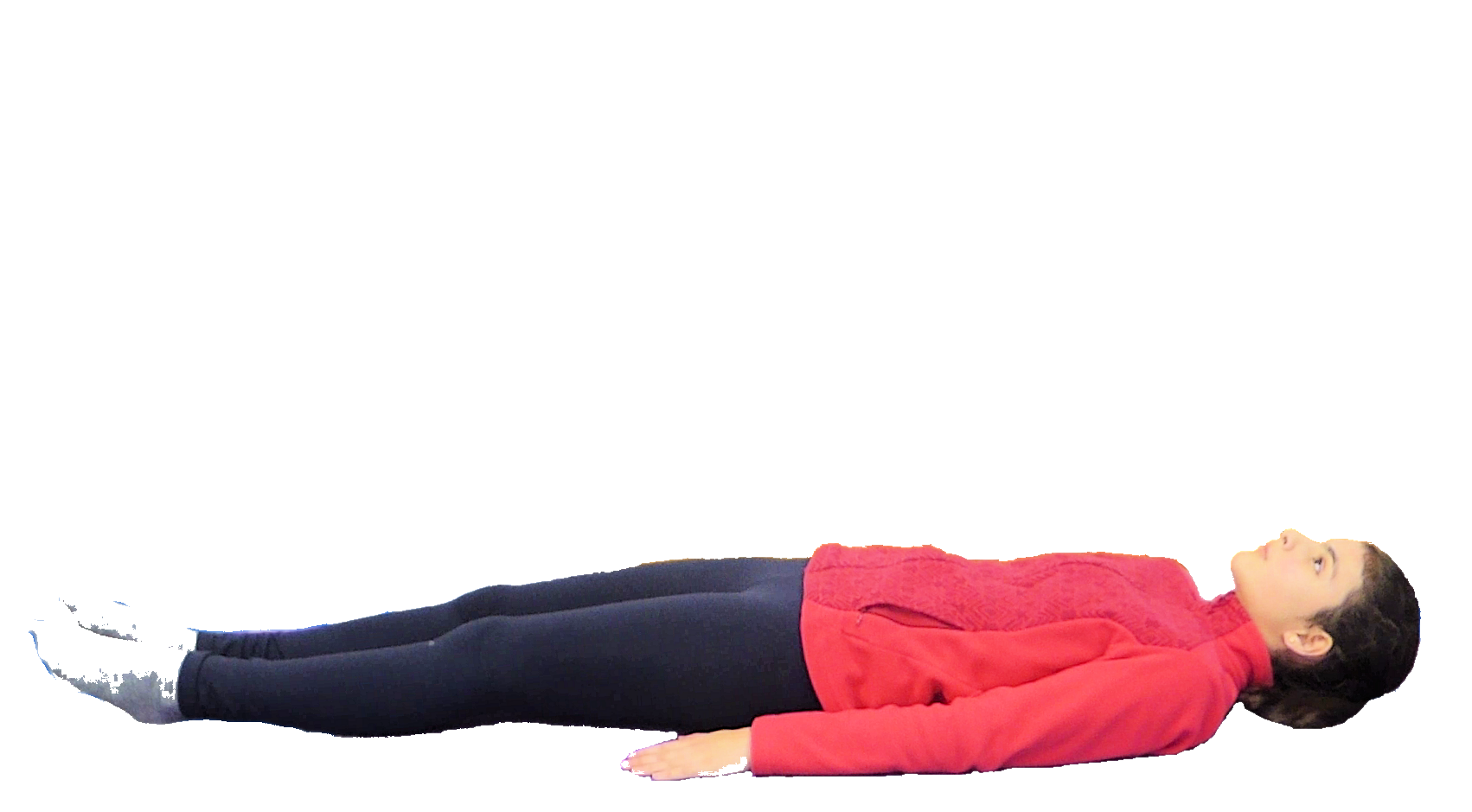
Breathing is a natural and automatic action. Most people do not notice that they are breathing unless they are excited or restricted in some way. For the yogi, breathing is an extension of prana or the force of life. Breathing, the prana moves within the body.
Breathing has the ability to open the body and allow our energy to flow more freely in our yoga practice.
One of the first lessons in yoga is to learn how to use breathing properly.
See the map below to know the different types of breathing and their characteristics.
| THE NATURAL BREATH | DIAPHRAGMATIC BREATHING | FULL YOGIC BREATHING |
| It is called “the natural breath”. | We use the diaphragm consciously. | This technique uses the three areas of the torso. |
| You don't have to think that you are breathing. | Step 1: Hands on your low belly, breathe with your diaphragm so your belly rises. | Practice steps 1, 2 and 3 of the diaphragmatic breathing in only one breath. |
| When you inhale, the pelvic floor expands and descends. | Step2: Hands on the sides of your ribs cage. Breathe and lift the low belly while you expand the sides of your ribs. | Inhale and move your hands from your low belly to the sides of your ribs and, finally, place your hands on your upper chest. |
| When you exhale, the pelvic floor contracts and lifts. | Step 3: Hands on your upper chest. Inhale and lift your upper chest. | Exhale, keep your chest full and breathe the air from the top to the bottom. |