The electricity bill
Take a bill for your home electricity. The bill includes the cost of the contracted power, the energy consumed, the meter rental and taxes. How could you reduce what you pay for electricity at home?
Image audio:
Take a bill for your home electricity. The bill includes the cost of the contracted power, the energy consumed, the meter rental and taxes. How could you reduce what you pay for electricity at home?
Image audio:
In 2016, students from Porto do Son High School set out to reduce the school's electricity bill. A group of students analysed the school's bills, thought about what actions were necessary and gave talks to all the classes in the school to inform, raise awareness and involve their classmates.
In collaboration with the school management, the teaching staff, and the school students, these actions were carried out:
Class by class, they went over the lights that were really needed to have a good ilumination and the ones that were unnecessary. The switches that turned on the needed lights were marked with a smiley face stick and the other ones with a sad face.
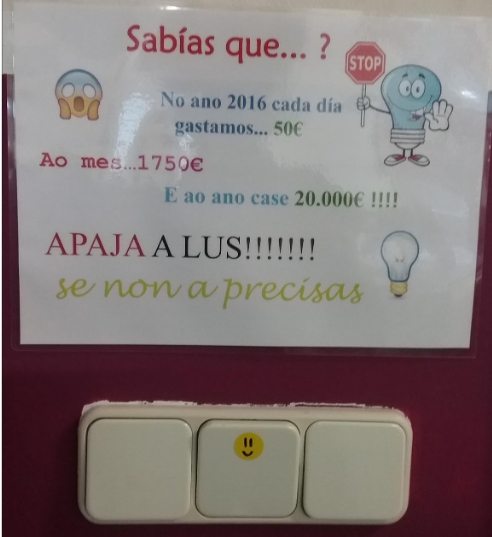
Signs were placed on classroom doors reminding students to turn off lights and electrical appliances (computers, projectors, etc.) when leaving. Posters to raise awareness were posted in the school corridors.

A graph showing monthly electricity bills was posted at the entrance of the school so that students could see how their actions were reducing the bills compared to the same month the previous year.

With all these measures, after two years the school's annual bill had dropped by €5,800. Using less electricity is essential to reduce our CO2 emissions. But, in addition, a lot of money is saved that can be spent on other things. At the IES de Porto do Son, among other things, a games room was created for breaks, ping pong tables were installed, along with a cold water fountain for students to refill their bottles instead of buying plastic water bottles, etc.
And you, do you want to lower your home or school electricity bill? Now you know how. Join the fight against climate change!
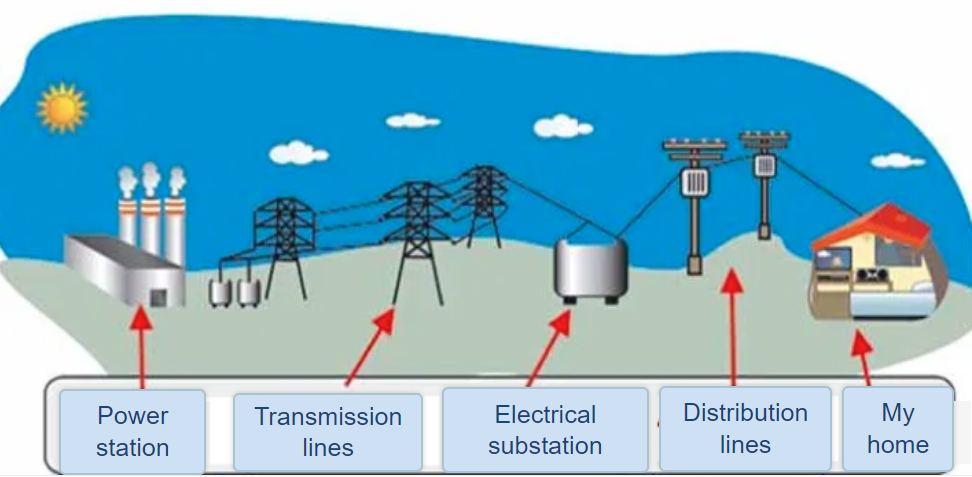
The energy produced in thermal, hydroelectric and nuclear power plants... passes through transformers that increase its voltage (to 220.000 - 400.000 V) in order to reduce energy losses in its transport. It is transmitted through high voltage lines to the distribution centers. Before reaching the consumption centers, the voltage is lowered again at the electrical substations. Then it is distributed to our homes. The final voltage value depends on whether it will be for domestic (230 V) or industrial use.
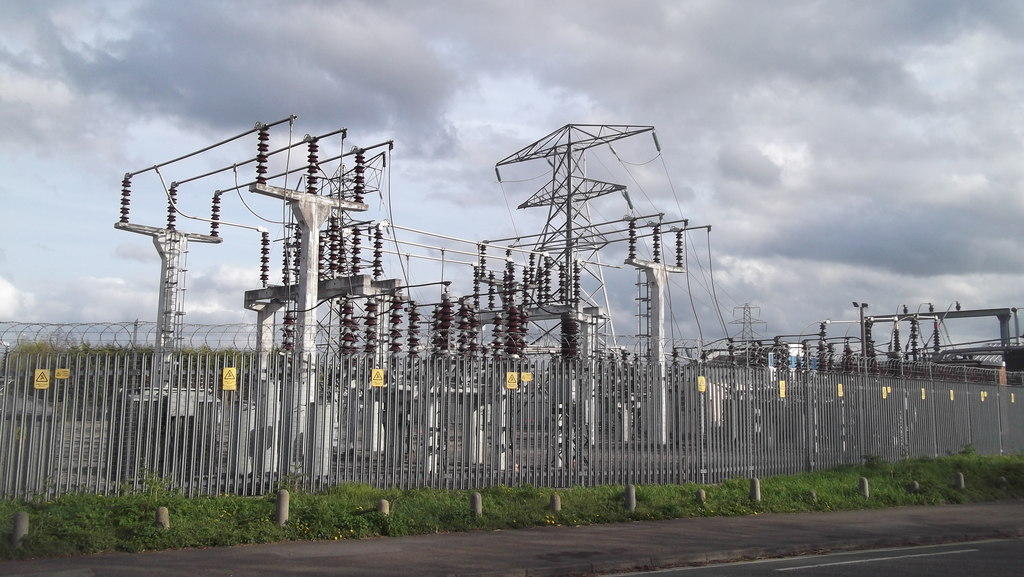
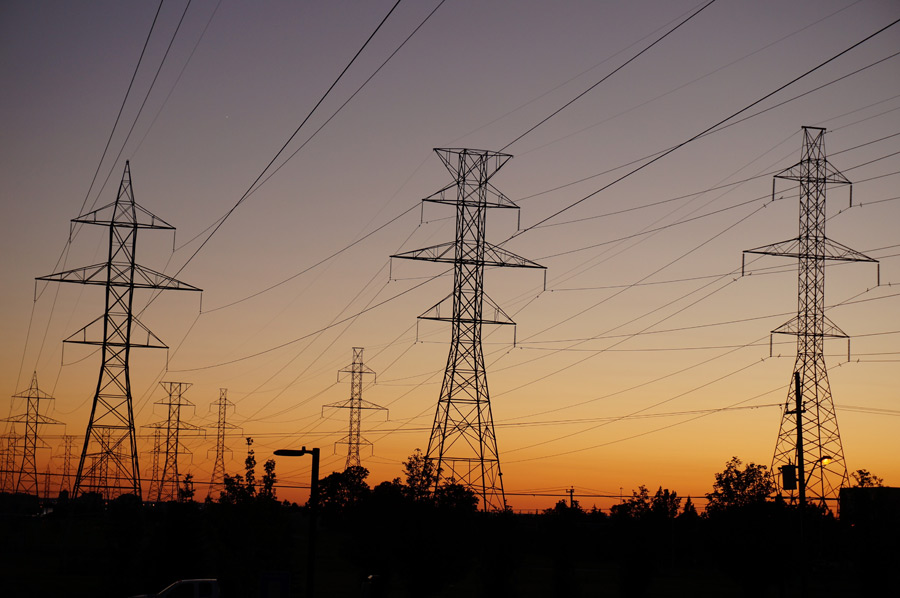
The electrical grid is what we call the network of wires that transmits and distributes the electricity. These wires include both large high-voltage and smaller low-voltage power lines, along with numerous substations.

The peninsular power grid, Paco Tartera, EDUCACIÓN, FORMACIÓN Y E-LEARNING: EL TRANSPORTE DE LA ELECTRICIDAD, CC BY 3.0
To have electricity in our home, we must contract an electricity commercializing company, which is the one that will give us access to energy consumption. Curretly, there are two different markets in which we can contract the electric supply: the regulated market, and the free market. In the regulated market, the rates are managed by the government, and in the free market, the companies establish their own offers. Consumers can choose in which market they wish to contract the supply. If you want to know more about which tariff is best for your home, you can consult this link with an explanation from the Spanish Consumers' Organization, which includes a tariff comparator: ¿Cómo Elegir la Mejor Tarifa de Luz? Ahorra en tu Factura | OCU
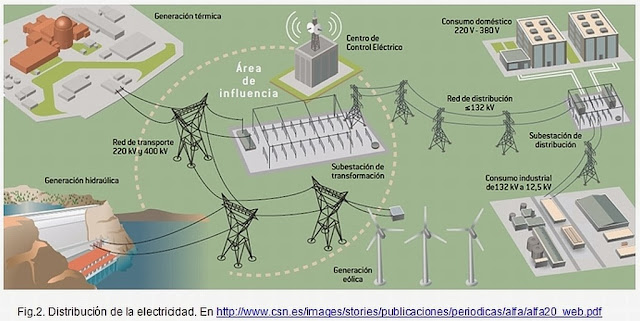
Diagram of electricity distribution. Paco Tartera, EDUCACIÓN, FORMACIÓN Y E-LEARNING: EL TRANSPORTE DE LA ELECTRICIDAD, CC BY 3.0
Licensed under the Creative Commons Attribution Share Alike License 4.0