Ecosystem
Ecosystem
|
An ecosystem includes all the living creatures or biotic elements (plants, animals and organisms) in a certain area interacting with each other and with other non-living elements or abiotic elements (minerals, sunlight, soil, water, etc.). Watch the video on the right to see it perfectly explained. All the biotic elements make up the biocenosis and the abiotic elements make up the biotope. There are two types of ecosystems, terrestrial ecosystems and aquatic ecosystems. |
Biocenosis
Biotic
Abiotic
Biotope
|
Abiotic factors. Superfast learning. YouTube. (YouTube Standard licence) |
||
|
TERRESTRIAL ECOSYSTEMS It is an ecosystem occurring on land. There are four main types of terrestrial ecosystems: |
AQUATIC ECOSYSTEMS It is an ecosystem that deals with water based environments where plants and animals interact with the chemical and physical features of water. |
|||
| Forests: They are types of ecosystems consisting mainly of trees. Depending on the average temperature around they may be taigas (consisting of pines and spruces), mixed temperate forests (with coniferous and deciduous trees), equatorial rainforests (containing half of all the living animals and plants of the planet and numerous medicinal and flowering plants) |
Forest, Ribeira, Coruña. Yolanda Varela. (CC-BY-NC-SA) |
Ocean: They include everything in the oceans like plankton, bacteria, large living organisms and saltwater bays, salt marshes, inlets, shorelines, etc. There are five oceans in our planet: Pacific, Atlantic, Indian, Arctic and Antarctic. Some species we can find in oceans are sharks, whales, seabirds, plankton, corals and other ocean plants. |
Ocean
Estuary
Tidal marshes
Coastal ecosystems
|
|
|
Forest
Equatorial rainforest
Grassland
|
Grasslands:They are flat places with not enough rain to support a forest. They happen in warm places and many animals can be found and sand dunes or rocky flat surfaces are common. |
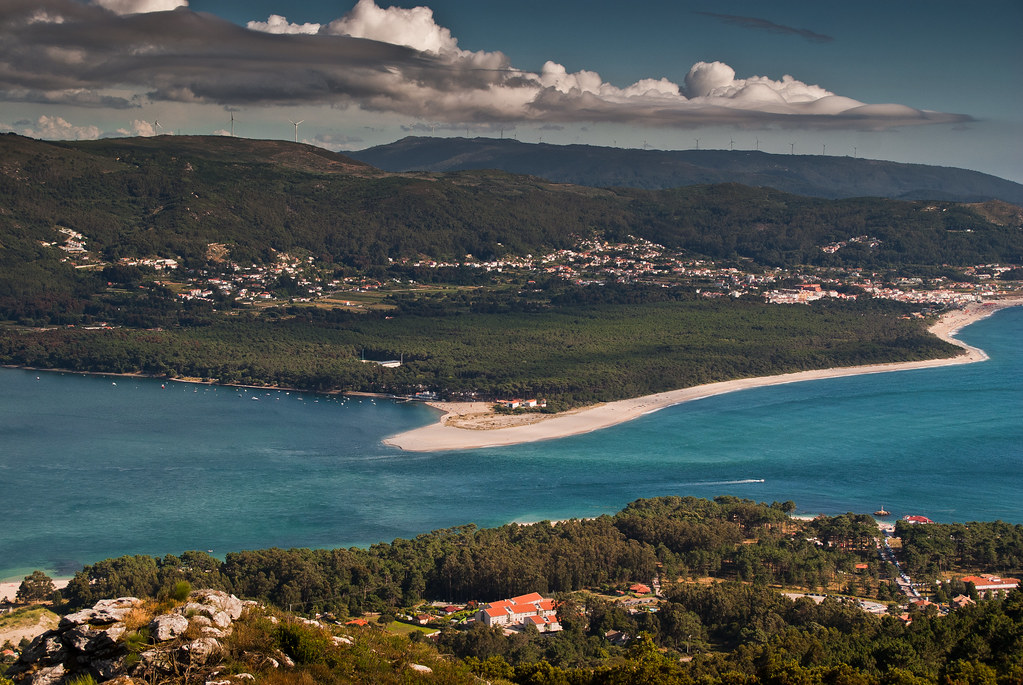
Miño river estuary. Yolanda Varela (CC-BY-NC-SA)
|
Estuary: It is a place where seas and rivers meet, for example, river mouths, coastal bays, tidal marshes. | 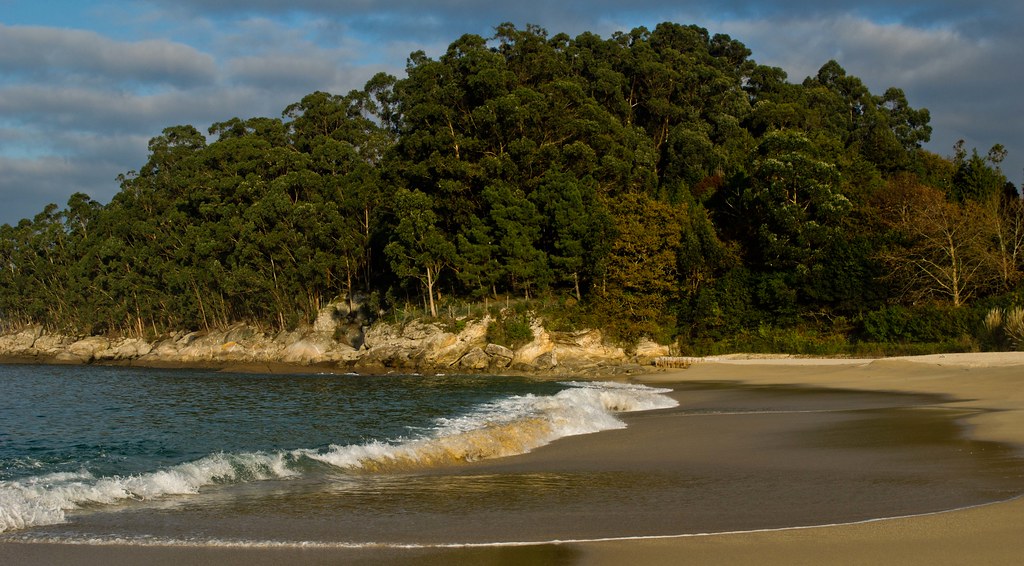
Coastal ecosystem. Yolanda Varela (CC-BY-NC)
|
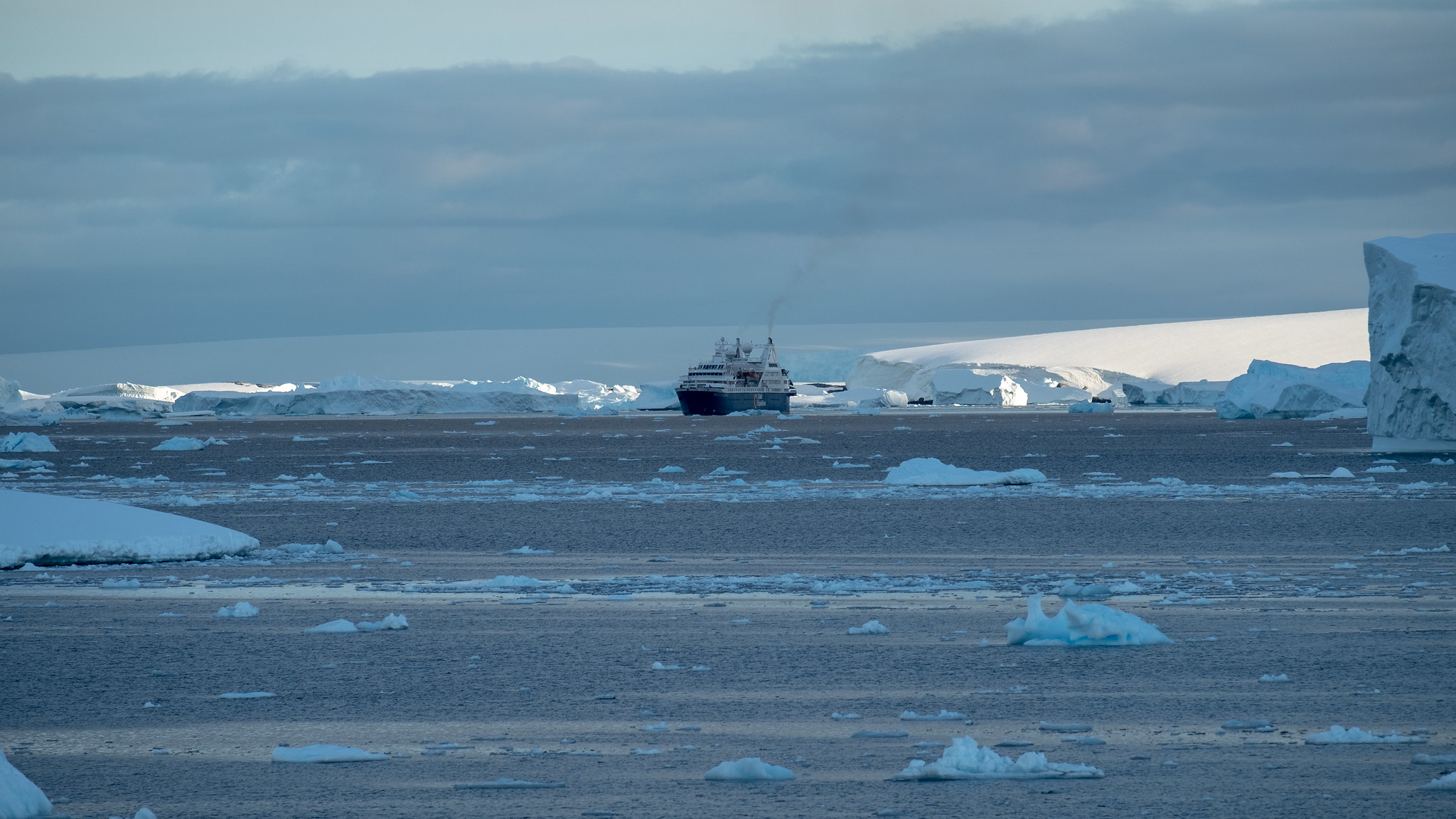
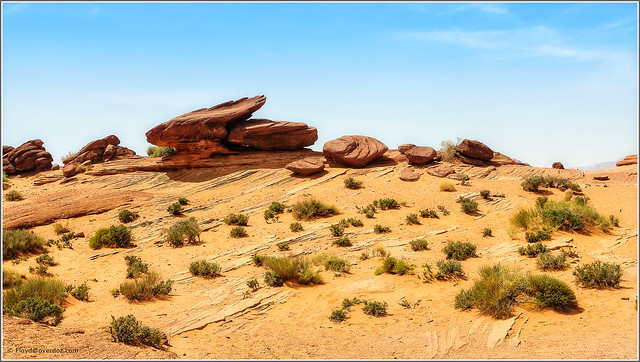
| Deserts: There may be two types of deserts, cold deserts, such as Antarctica, or hot subtropical deserts.They are ecosystems with very little rain and plants and animals that have adapted to live in harsh conditions. | Coastal ecosystem:They are areas where land and water join. They may include barrier islands, lacustrine areas, headlands, dunes, etc. A variety of animals and plants live here. |

Verdugo river, Ponte Caldelas, an example of lotic ecosystem. Yolanda Varela (CC BY-NC-SA)
|
Lotic ecosystem: They are rapid flowing waters such as rivers and streams. |
|

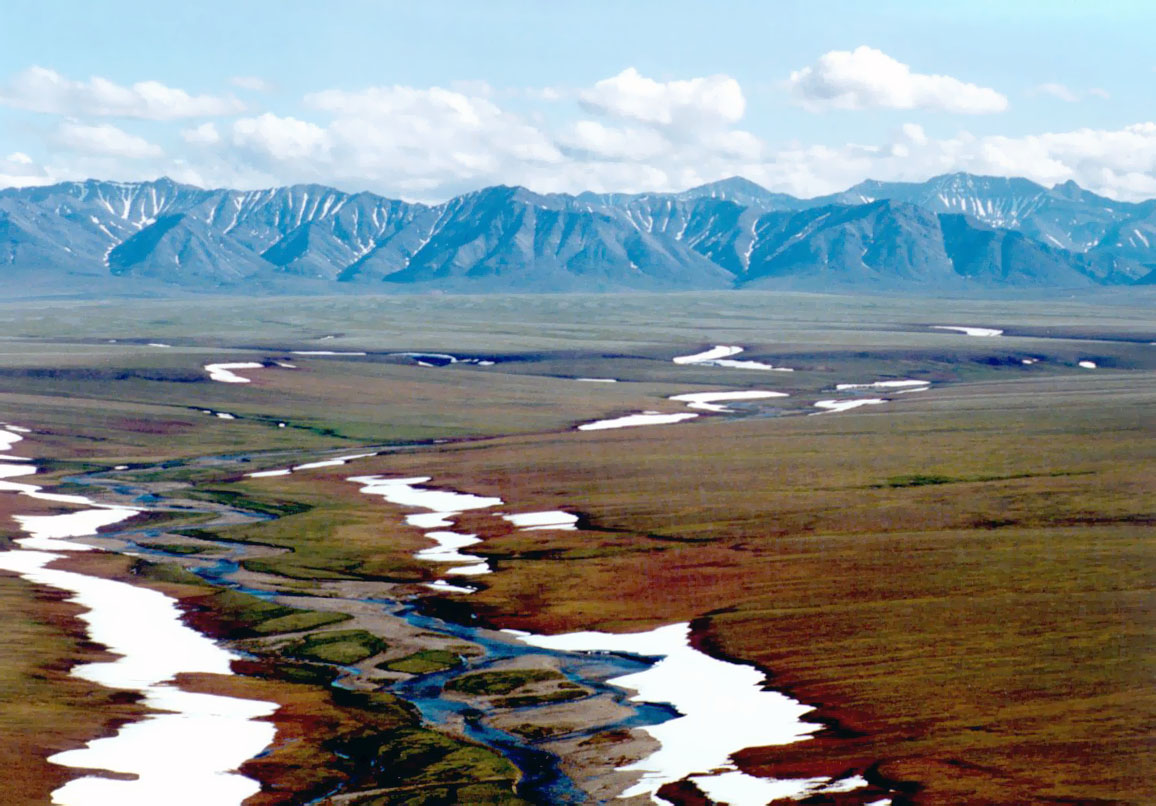
Tundra, Alaska. U.S. Fish and Wildlife Service. Wikipedia. (Public Domain)
|
|
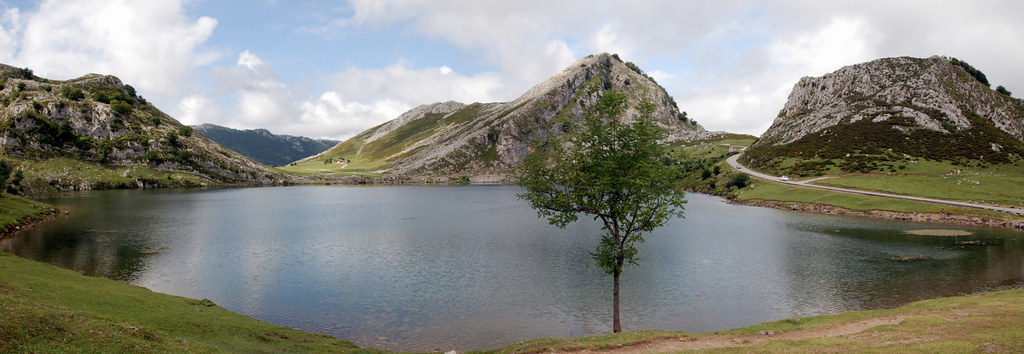
Lentic ecosystem: They are still water ecosystems, for example, lakes, and ponds. We can find algae, amphibians, reptiles, floating plants, etc. |
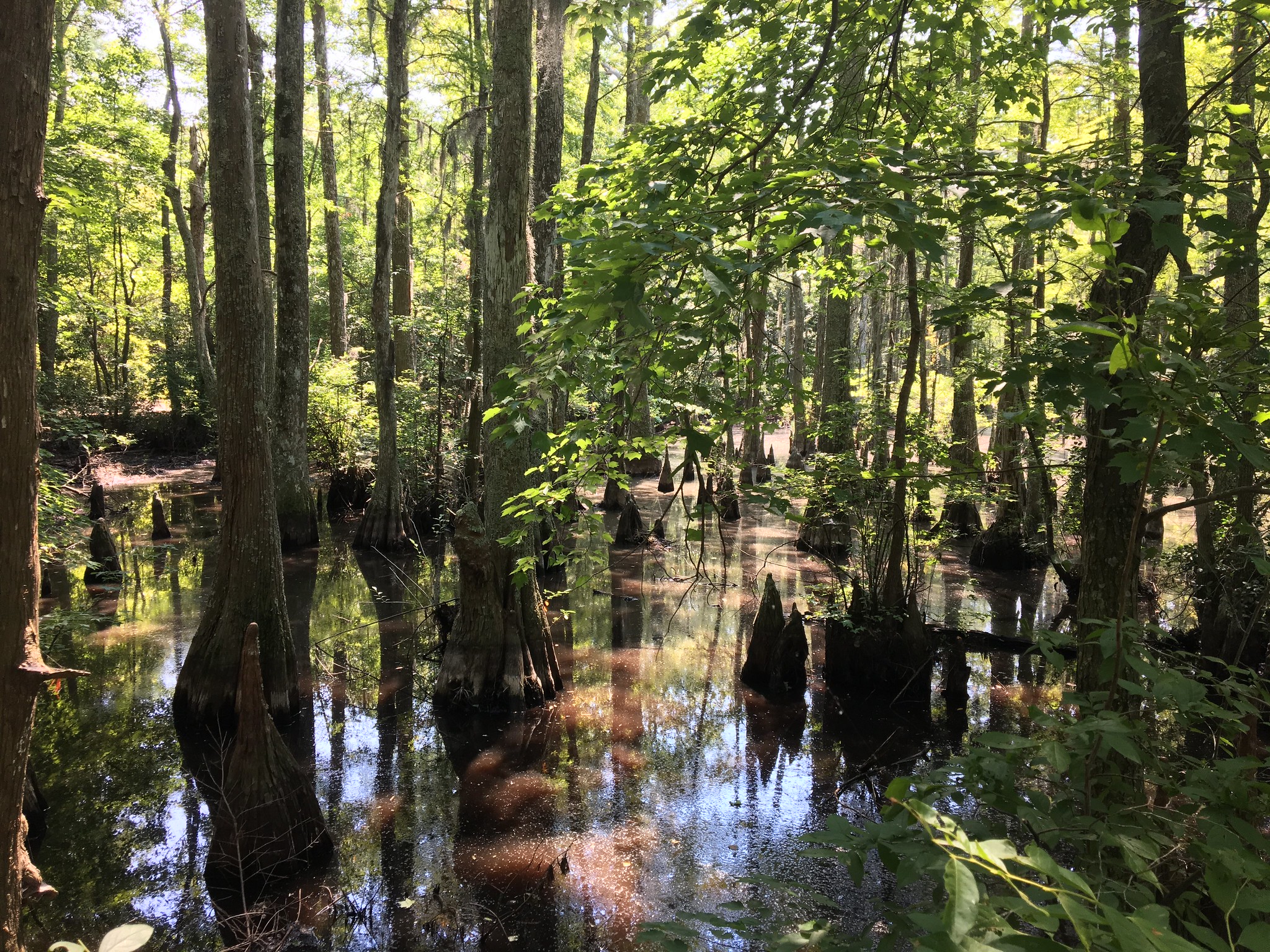
Swamps and wetlands: They are areas with mineral soils, poor drainage and a great number of trees. |
|
| Tundra: They are regions mainly in Alaska, Canada, Europe, Greenland and Russia which are frozen mos of the time. Plants with short roots like dwarf shrubs, lichen, moss, etc., small animals like lemmings or foxes and some mammals like musk oxen, caribous and bears and migratory birds live here. |
Desert
Mountain
Tundra
|
 |
Lotic ecosystem
Lentic ecosystem
Swamps and wetlands
Lacustrine areas
|
|

Activity 1
Activity 2
Activity 3
Extra activity
|
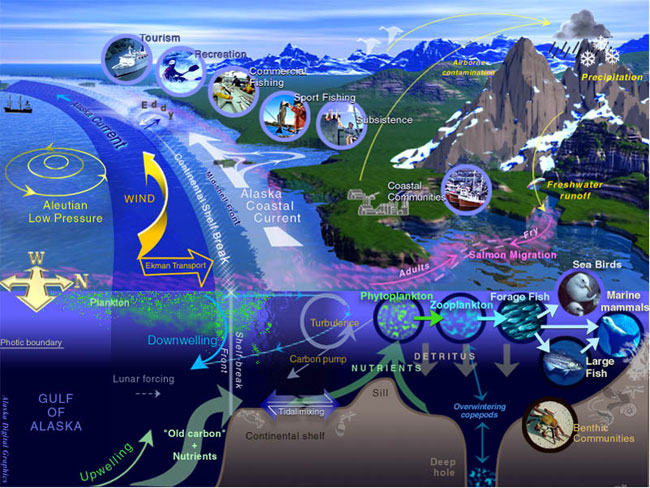
General characteristics of a large marine ecosystem (Gulf of Alaska). National Oceanic and Atmospheric administration. Wikipedia. (Public Domain) |
1- Have a look at this image of Alaska coastal ecosystem. There are biotic, abiotic elements but also the presence of human activities. Can you draw an image like this portraying the area where you live? Include all the elements that have some influence on the ecosystem.
|

Ecosystems, threats and solutions
Project
 What's in a drop? Yolanda Varela (CC-BY-NC-SA) What's in a drop? Yolanda Varela (CC-BY-NC-SA) |
PROJECT 1 Click on the image on the left and, in pairs, follow the instructions to check how biodiversity compares in water taken from different places. Don't forget to keep a diary of all steps taken so that you can tell other students what you have done |
|
PROJECT 2 There are different types of ecosystems in Galicia, from deciduous forests like Fragas do Eume, high mountain areas like Trevinca or Ancares, shrub areas like O Suido mountain range to coastal ecosystems such as cliffs, for example, the cliffs of Loiba in Ortigueira, or beaches and dunes, Corrubedo, Cies Islands etc. Make posters with each of the ecosystem and organize an exhibition for the rest of the school. |
|
Licensed under the Creative Commons Attribution Non-commercial Share Alike License 4.0