Body Percussion and Dance Activities 3
Body percussion and dance. Testing your knowledge
Read the sentences and choose the correct word to complete them.
Body percussion and dance facts. Finding reasons

PAIRWORK
Read the statements and discuss whether they are true or false. Find information in the unit to support your answer. Mark the right option with an X.
Projects. Searching, brainstorming, choosing, creating, rehearsing, performing.
 Here you have a couple of activities to work what you have studied in this unit.
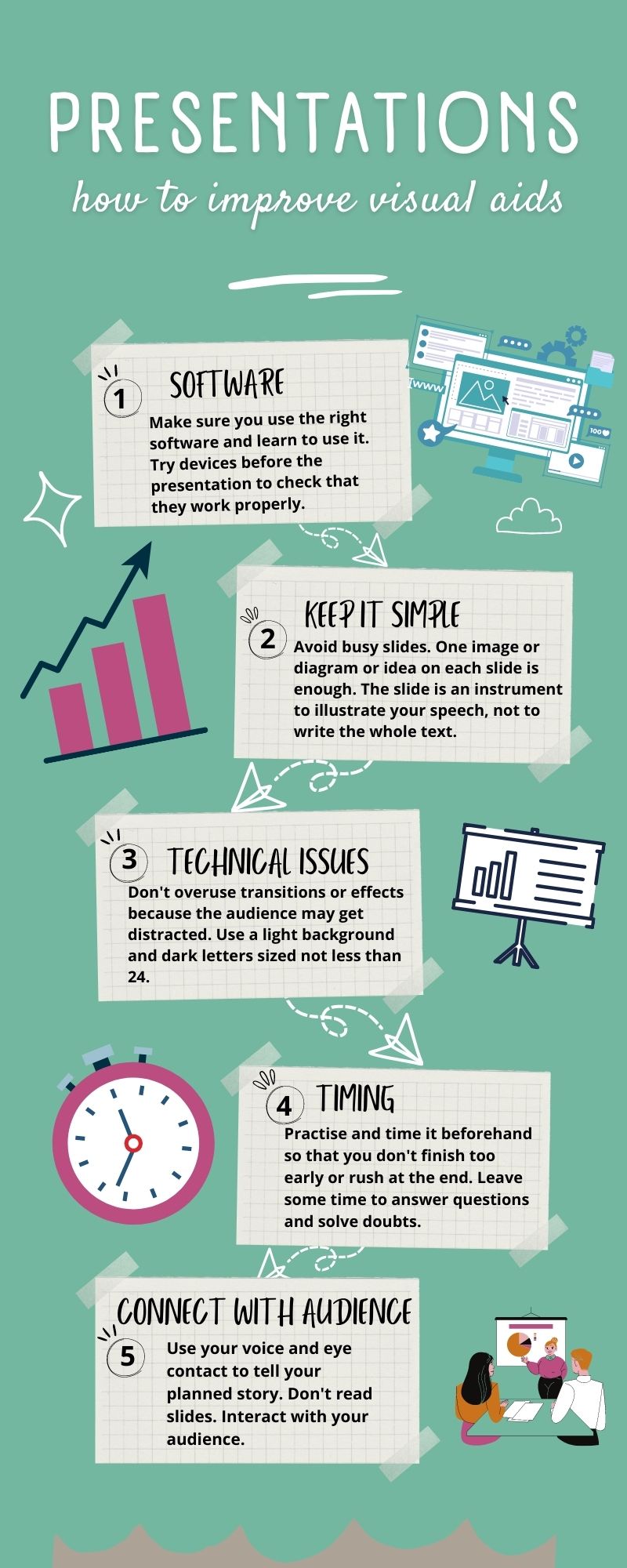
A) Now that you have learnt about body percussion and dance, it is time to use the internet or the school library and create a poster or a slideshow. Divide the class in goup of three and choose dances either from the different folk dances that can be found in Spain or about folk music from around the world. Once you have chosen the dance, tell your teacher to avoid repetition. When you have prepared them, you'll explain to the rest of students and they will take notes. Here you can find some information: Spanish dance 1, 2, 3, 4. Dance from around the world 1, 2, 3.
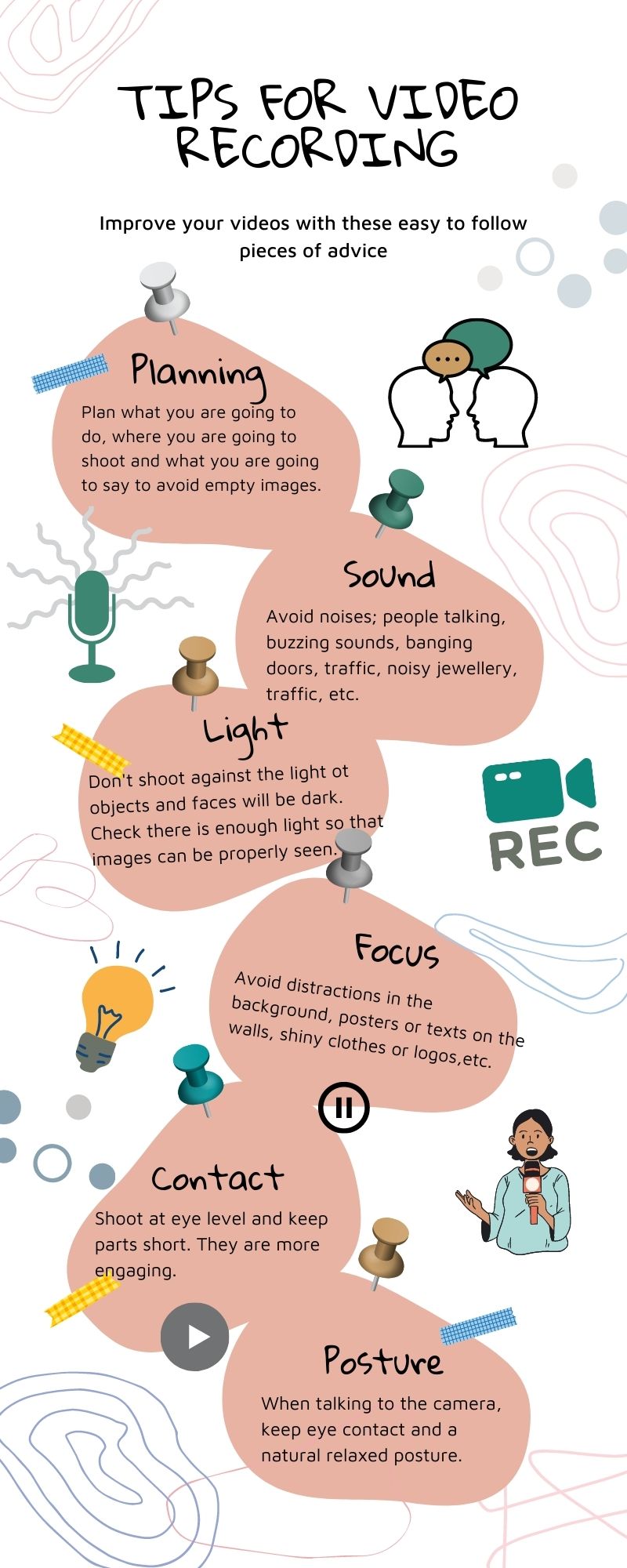
B) The class joins to create a body percussion choreography of a song you like. Brainstom your ideas. Your teacher will help you choose the song, agree on the movement (as you have studied in this unit, you can clap your hands, snap your fingers, slap your knees and forearms, stomp your feet, tap two fingers on your palms, tap your hand or fist on a table, rub your hands, pat your chest, etc.), rehearse and perform. Record it and upload to the classroom blog. (Clipchamp, Moviemaker online, etc). Remember tips for video, recording, making presentations and using your blog. Here you have another couple of examples of body percussion: 1, 2.

Licensed under the Creative Commons Attribution Non-commercial Share Alike License 4.0