Avant- garde, a term generally applied to innovative approaches to art in the late 19th and the early 20 centuries, means art that explores new forms.
Specially in the beginning of the 20th century, a new artistic enthusiasm free of prejudices broke definitely with the established rules for art.
Women´s push to get rights and independence became stronger, which is reflected in their art as well.
|
FAUVISM |
|
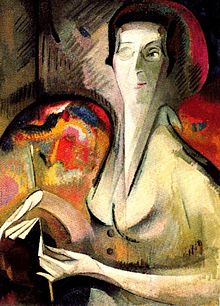 |
Alice Bailly, Self-portrait,1917 Swiss painter who worked with several avant-garde styles |
| EXPRESSIONISM |
|
 |
Marianne von Werefkin, Rote Stadt, 1909 Russian-German-Swiss expressionist artist and founder of artist groups. |
| CUBISM |
|
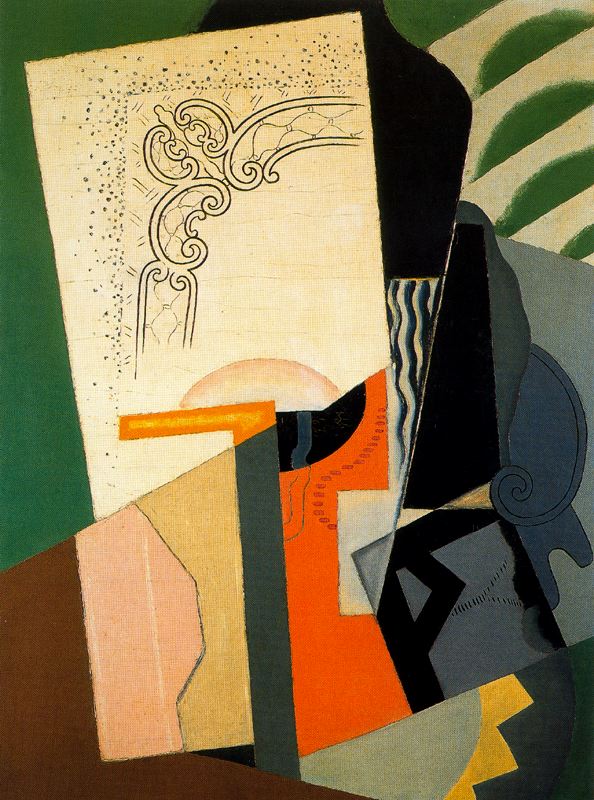 |
Maria Blanchard, 1916 Spanish cubist painter, she lived permanently in Paris after WWI |
| DADA |
|
 |
Elsa von Freytag, God, 1917 German dadaist artist and poet |