Creative lab: instruments and melodies
There are three melodies here to improvise percussion while paying attention to all the elements studied in this unit.
All You Need Is Love
1. This is one of the melodies you are already familiar with. Let's remember the score.
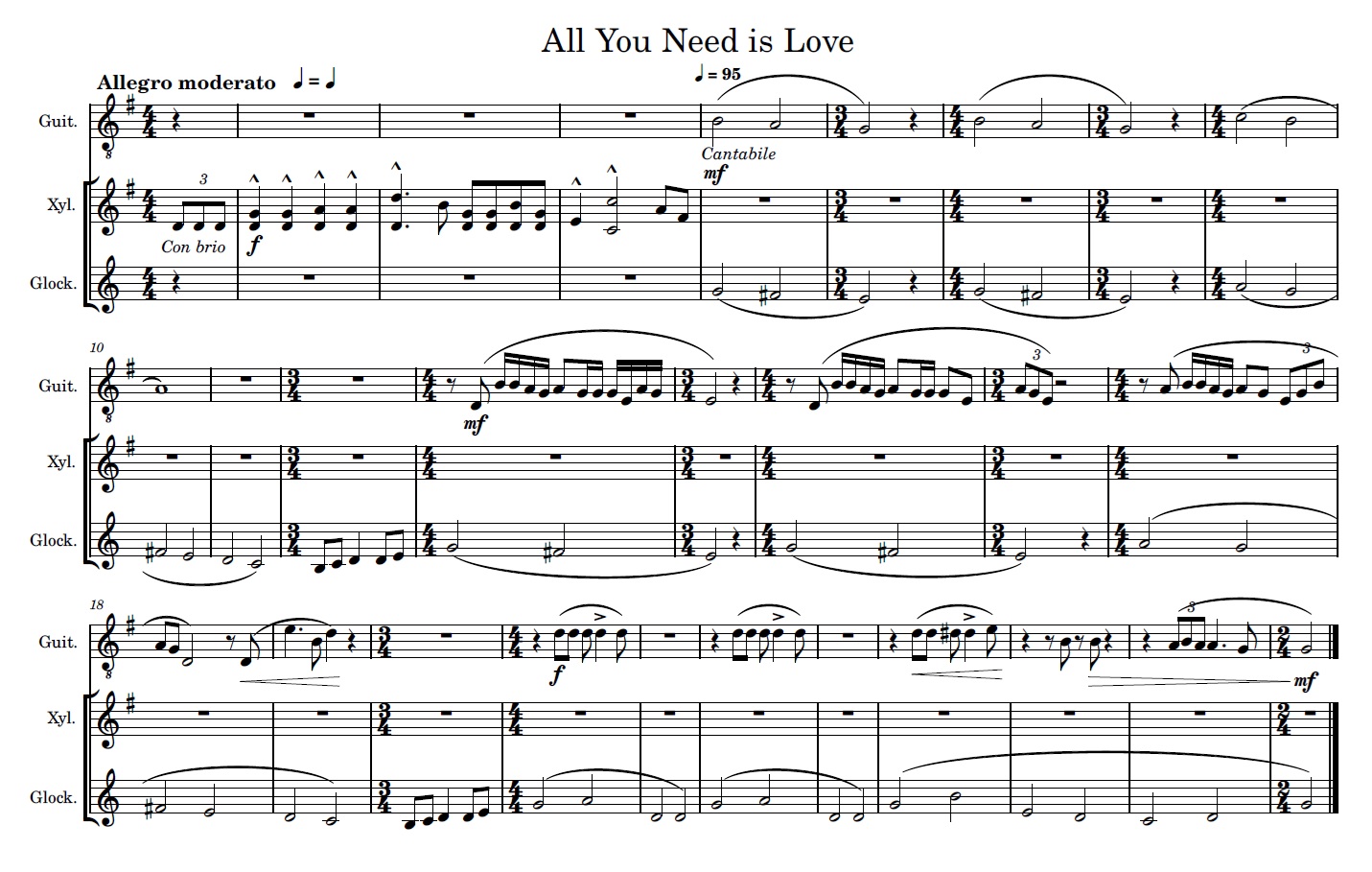
And here's the sound file to help you revise the melody.
2. Now, what about practising some percussion using plastic glasses? We are trying to improve physical coordination, memory and auditory attention while fluently marking the change in meter with the proposed equivalence.
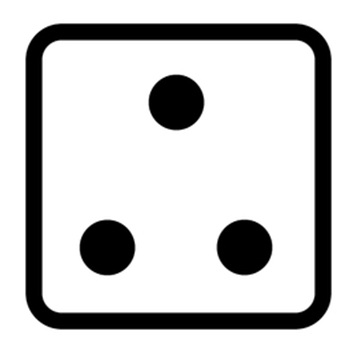
Look at the dices below. They are a representation of the beats you have to perform. The green glass marks three beats, forming a triangle (3/4) while the blue glass marks four beats (4/4). Just at the end of the piece, there is a 2/4 time signature which will be marked with glasses striking up and down. The image on the right represents the unison notes played at the very end of the video.
.
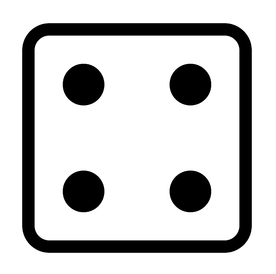
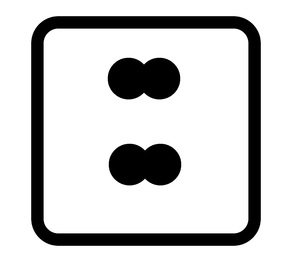
3.  Once you have rehearsed enough the given pattern, it is time to create a new pattern to combine 4/4 and 3/4 time signatures.
America
1- Our next task is to revise the score corresponding to the song America.
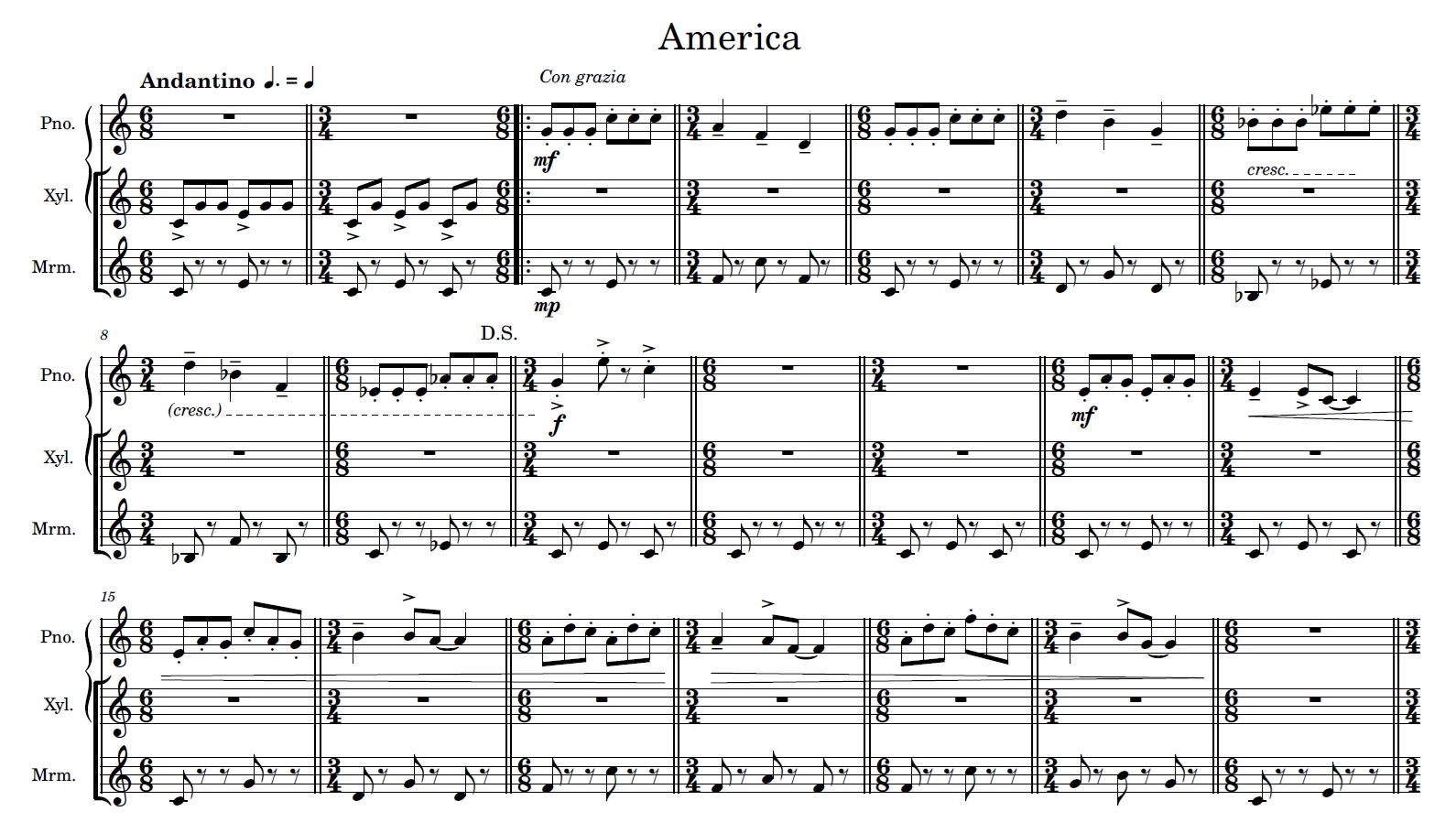
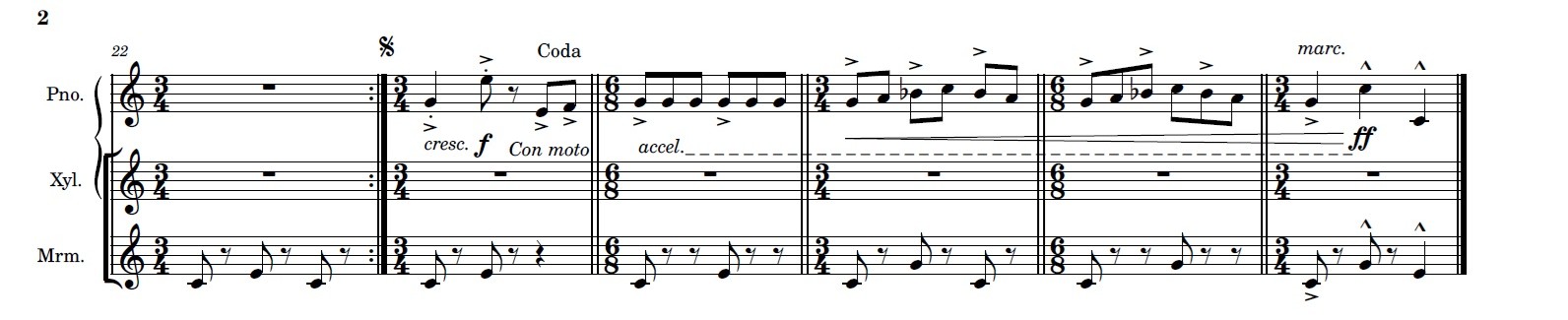
Again, here's the sound file to check all the elements, time signature and rhythm.
2- Our next step is hand percussion to improve your understanding of time signature change and note equivalence related to the note that occupies a pulse. In 6/8 time signature it is a dotted crotchet and in 3/4 it is a crotchet. As you can see in the video below, fist on your hand represents two dotted crotchets (6/8) and a clap equals 3 crotchets (3/4).
3- Our next aim is to practise the time signature change and the note equivalence, including the subdivision pattern in each beat: three quavers in 6/8 time signature and two quavers in 3/4 time signature. Take a look at images in the video that corresponds to each time signature and use the drumstick to mark each subdivision while listening to the melody. Your goal must be to increase speed till the melody can be followed accurately and at the same speed as in the video.
Ciranda, Cirandinha
This is the third melody to work with. Revise the score and the sound to make sure you know it perfectly.
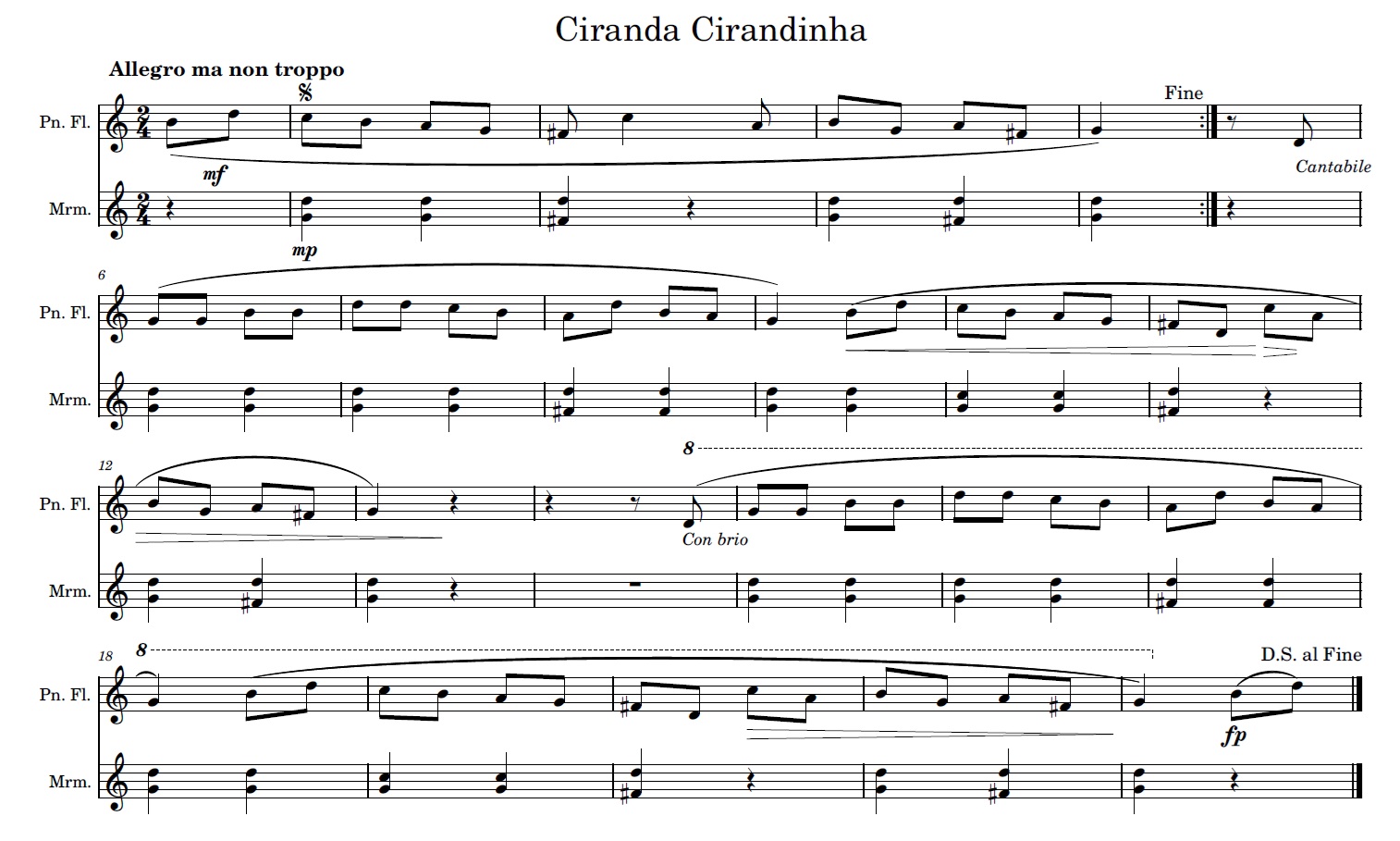
1- The first practice will use the ostinato below played with boomwhackers. As you see in the image, you'll need one boomwhacker for the D note and another for the G pitch. Practise till you have fully assimilated the rhythmic pattern.
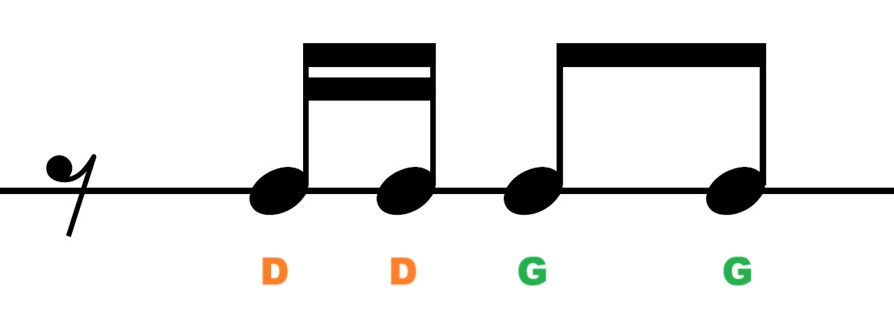
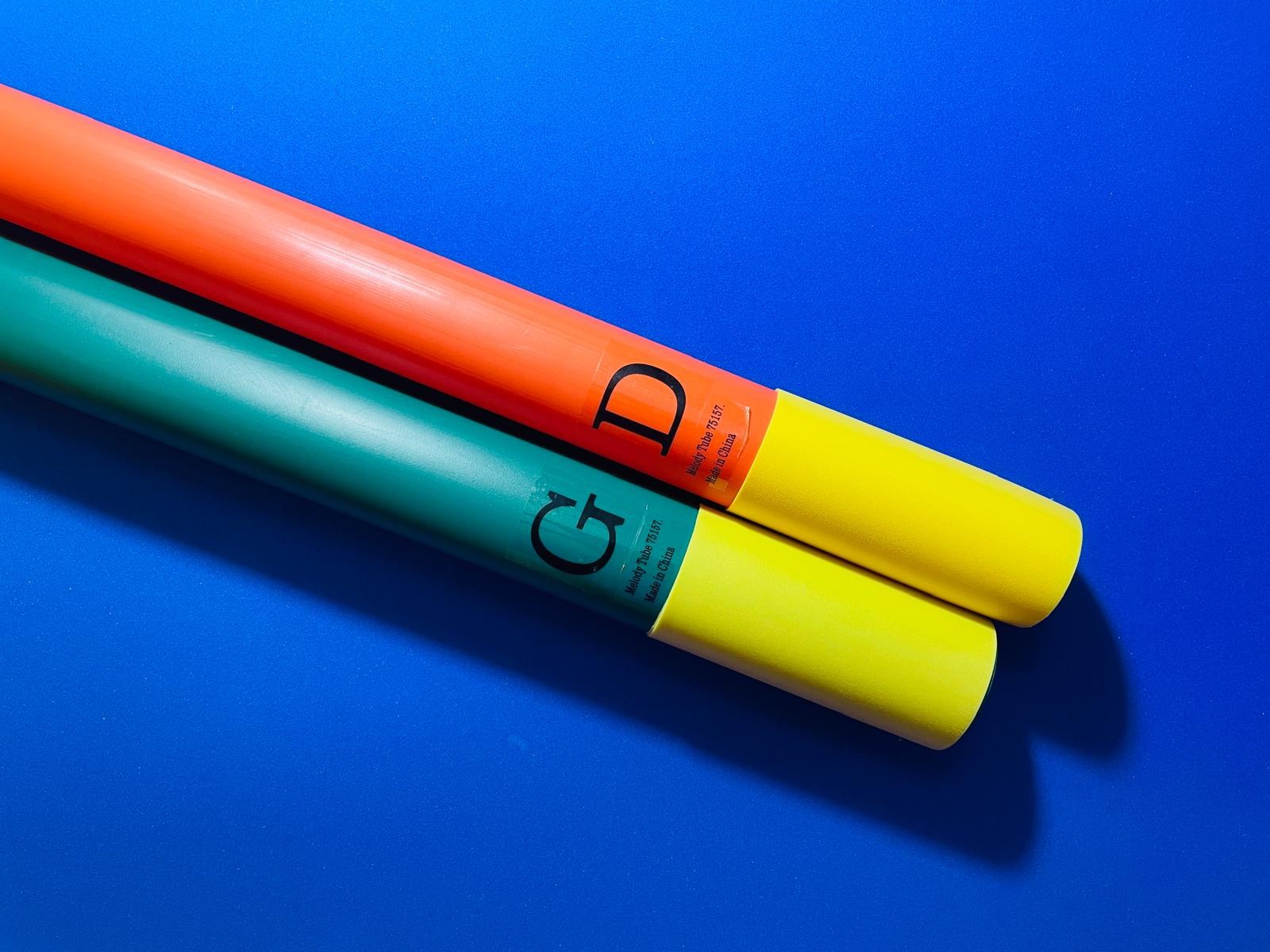
Watch the video to know how you should perform the melody.
2- 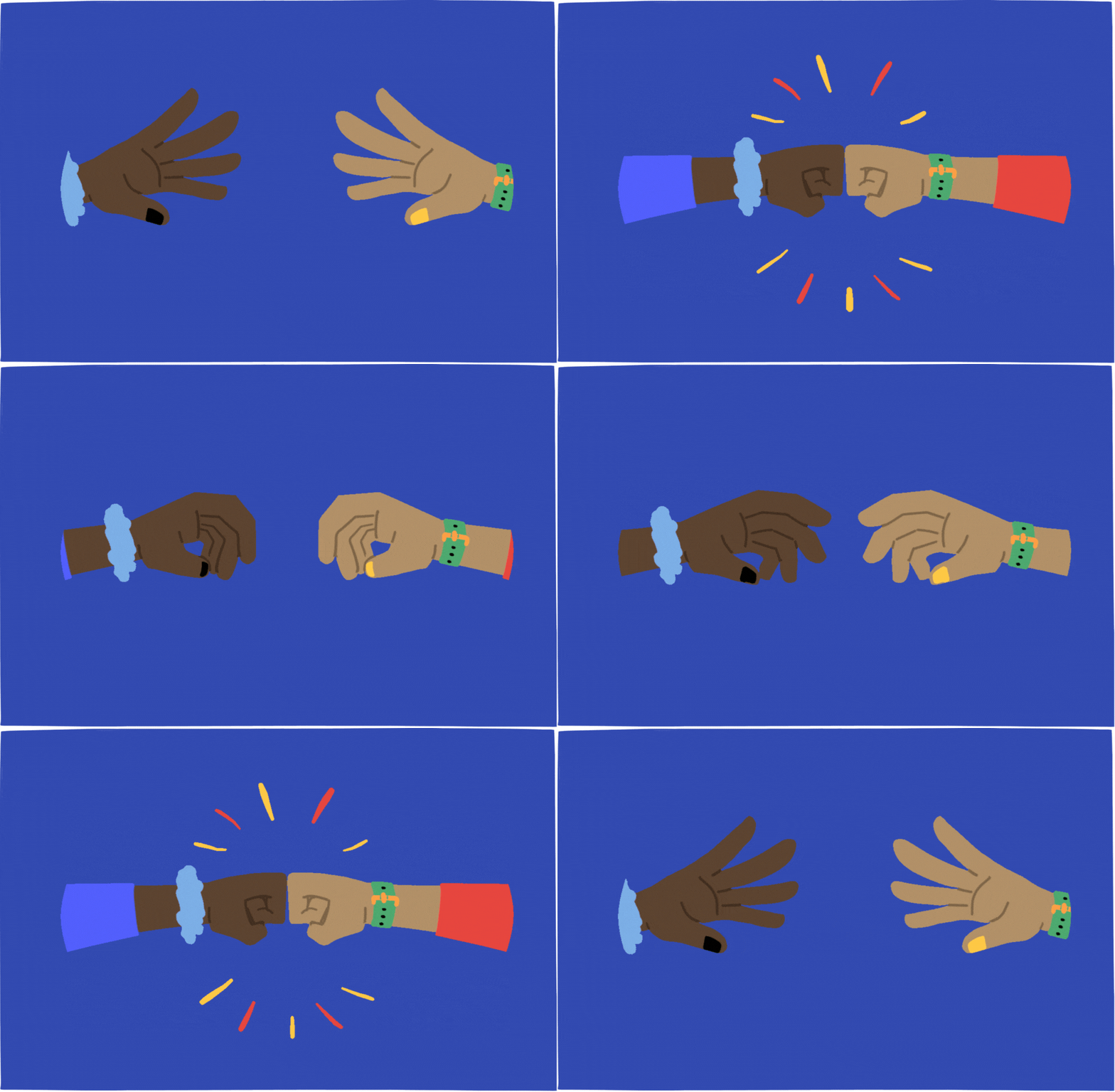 This new activity that is proposed now tries to help you be creative and do some research on rhythmic patterns. You may use boomwhackers with different pitches to accompany the piece, as well as different surfaces to strike them and explore different timbres. As you can see, you are improving your creative abilities while also considering the qualities of sound.