HISTORY
Classicism
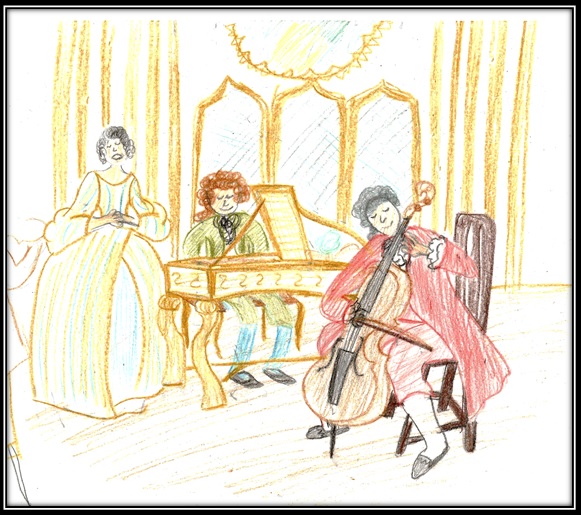 Classicism is developed between 1750 and 1820. It seems a very short period, doesn’t it? After the Middle Age or the Renaissance that lasted so long, it seems that Classicism passed very fast. However, it is a period in which great events took place.
During these years a new social class emerged, the bourgeoisie. Music was only performed in churches and palaces before, but now also in these new middle-class citizens’ houses. These people had a lot of money. There were also some public performances so that everybody who wanted to could attend.
Musicians were free for the first time. They composed music on demand, but also anything they wanted to. There were operas in theatres that were performed by classical orchestras.
Clarinets appeared for the first time. There appeared a new instrument, the fortepiano, created by Cristofori.
As there were new instruments and groups new genres emerged:
-Symphony: piece of music only for orchestras.
-Concert: piece of music for orchestras and instrument soloist.
-Sonata: piece of music for only one instrument that used to be the piano.
All these genres, together with opera, were used by the great composers of the time:
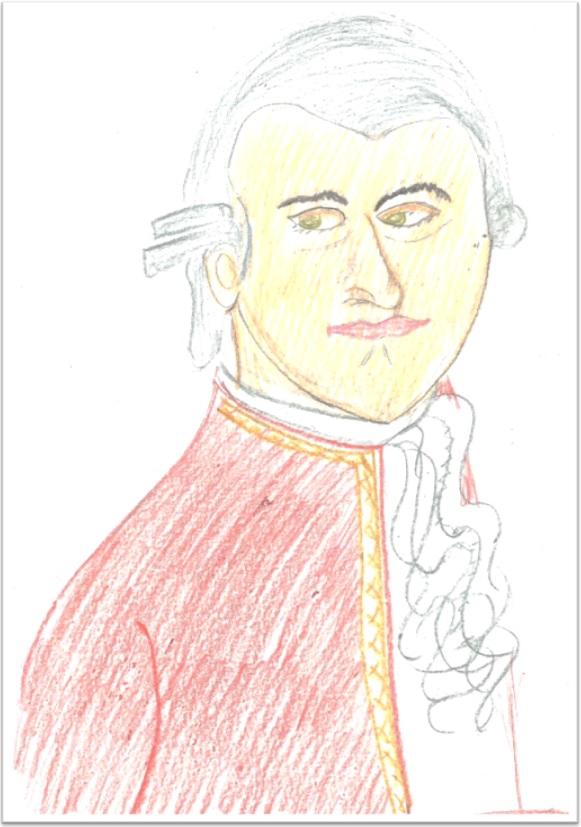 - Mozart (The Magic Flute, Cosi fan tutte, Eine Kleine Nachtmusik, Turkish Marh),
- Haydn (oratorio The Creation, Quartet Emperor)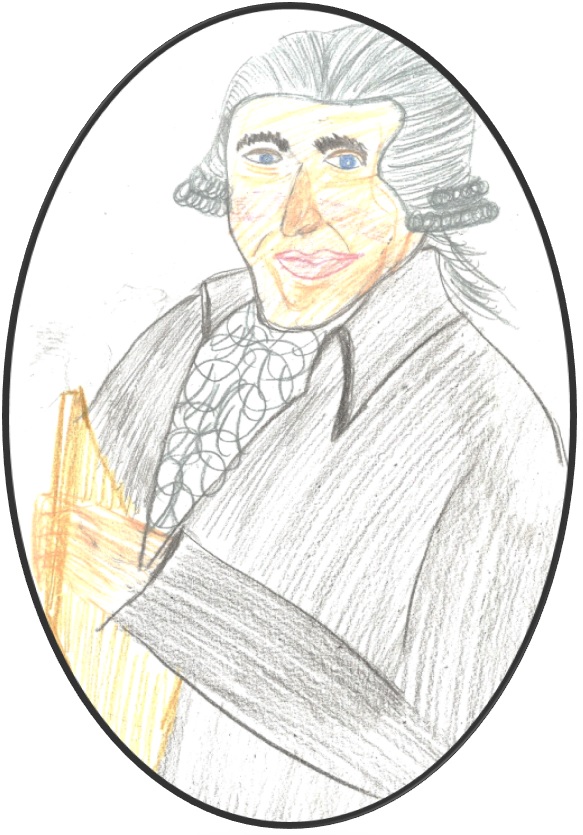
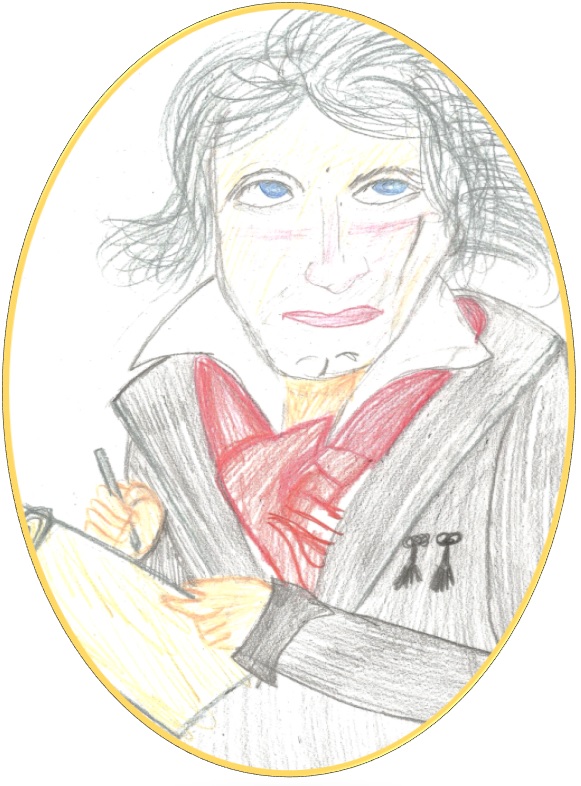 - Beethoven (Symphony 5 & 9, Für Elise, opera Fidelio).
These three composers are called the Viennese School, because they all lived and were very successful in this city.
Who was W. A. Mozart?
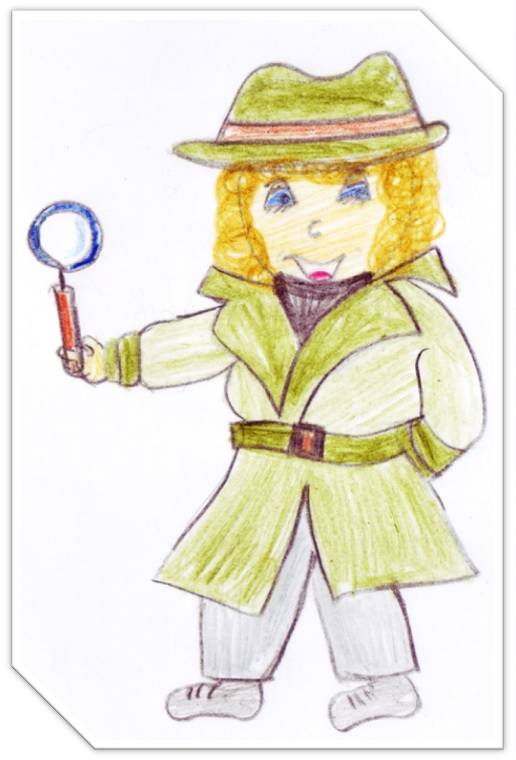 Let's play as if we were detectives, looking for information about this personaje:
Who was he?
Where was he from?
Was he married? Did he have children?
What are his most important works?
Other interesting things
Listening session: The Magic Flute
One of the most important operas in the history of music was The Magic Flute.
It’s a story of magic in which Tamino has to save princess Pamina. He will finally succeed thanks to Papageno’s help. Who will be the villain, the Queen of the Night or Sarastro?
Find out more about this opera on the Internet.
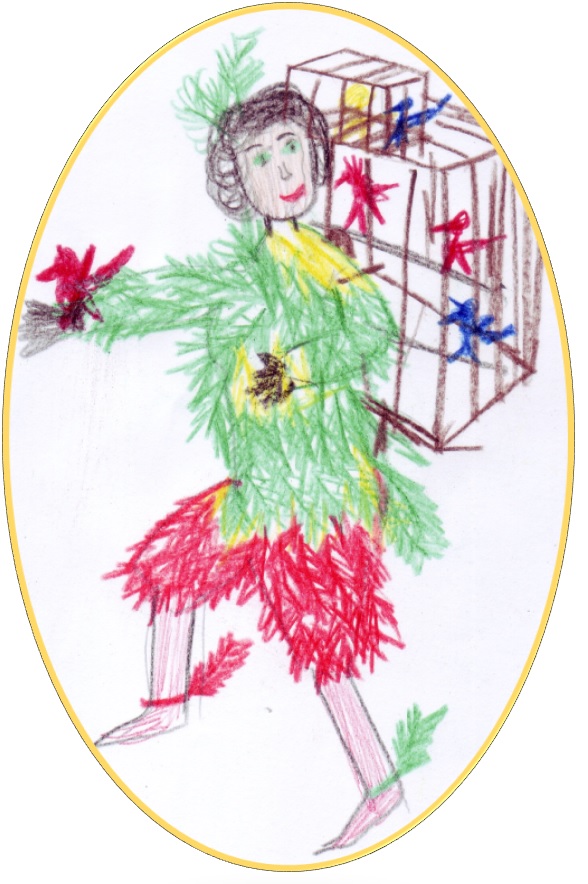 We are going to listen to Papageno and Papagena´s duet, but first here you have some clues about it to help you understand it better.
Papageno (tenor) is a bird catcher who seems to be able to hypnotize birds. He even speaks like a bird, with short chirping syllables. Papagena (soprano) speaks the same language.
When they meet in the forest, this duet begins with a bird-like chirping of each other's names. They are singing true love for each other.
It is a moderately fast and staccato is used to give the feel of happy joyful music.
It starts with obstinate by the voices: pa-pa, imitating birds. The voices have a call and answer technique and come to sing together occasionally.
Throughout the piece, the whole orchestra (the flute, the bassoon, the oboe, the horn, violin 2 1, the viola, the cello) are playing in harmony. Violin 2 and viola play the same thing for most of the piece.
Romanticism
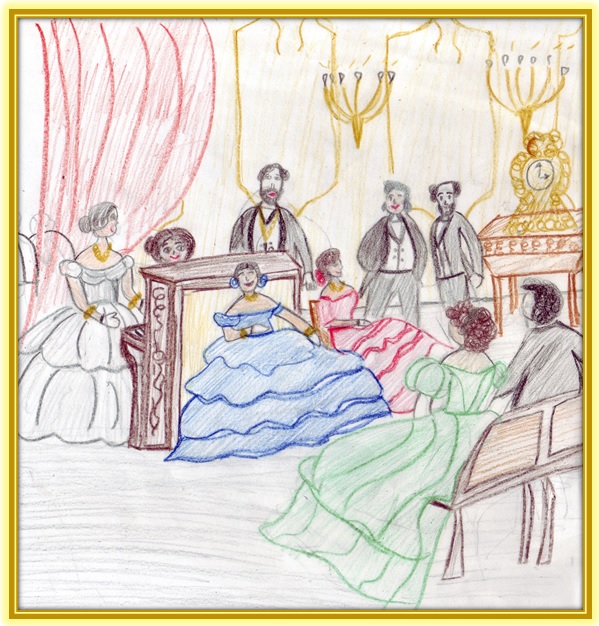 It took place between 1820 and 1910. Everything changes very quickly during those years. Noblemen were slowly disappearing, new factories were built, there were many fights for power and world became a chaotic place.
The same happened with music, composers started to break the rules that were used during Classicism to express feelings and emotions, looking for a world of fantasy.
There were more and more concerts and people paid for them. As there was no television or radio, music used to be played in families, so those who could afford it had a piano and took lessons at home.
Looking for a more sentimental kind of music, the piano became the instrument of the moment and all the composers wrote songs for it. Therefore new genres appeared like the nocturne, mazurka, waltz, and impromptu, among others. Sometimes they added singing too, the lied.
Among all the composers we can name some like:
- Liszt (Transcendental Études, Faust Symphony)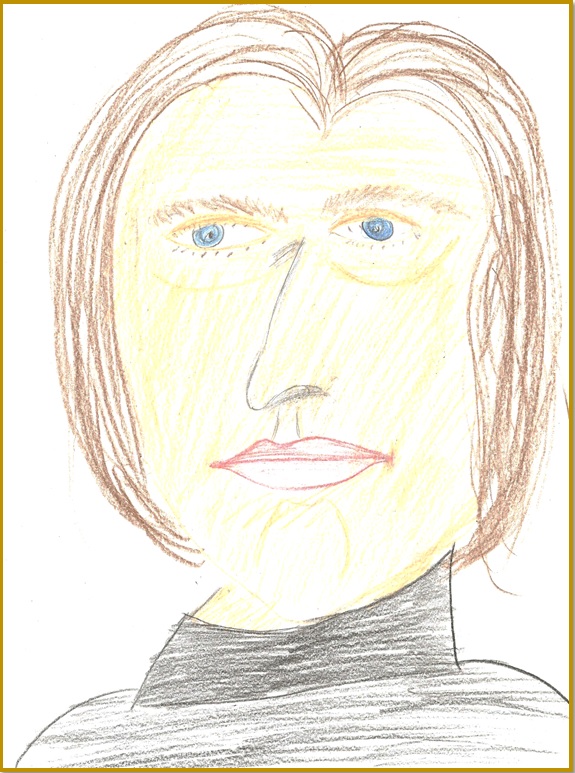
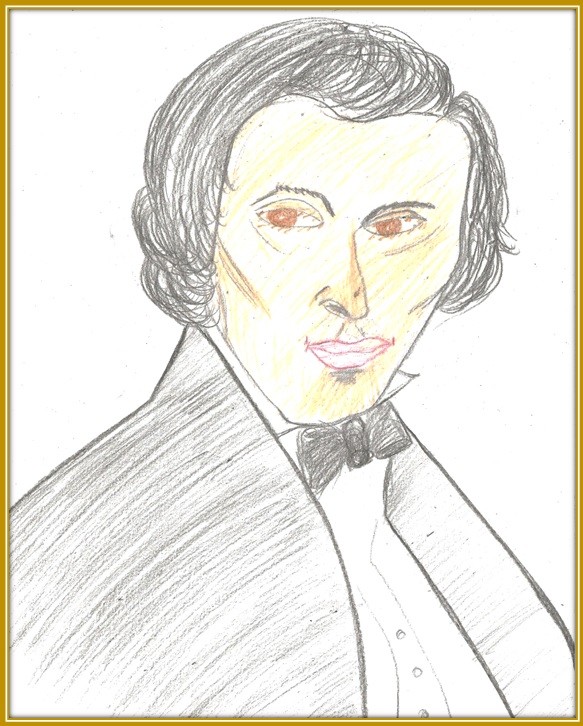 - Chopin (Nocturnes, Polonaises)
- Schuman (Scenes from Childhood)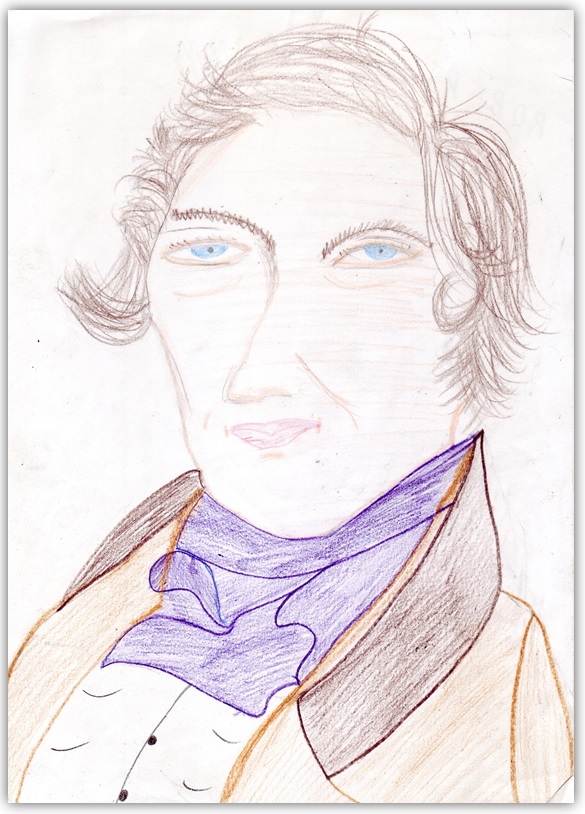
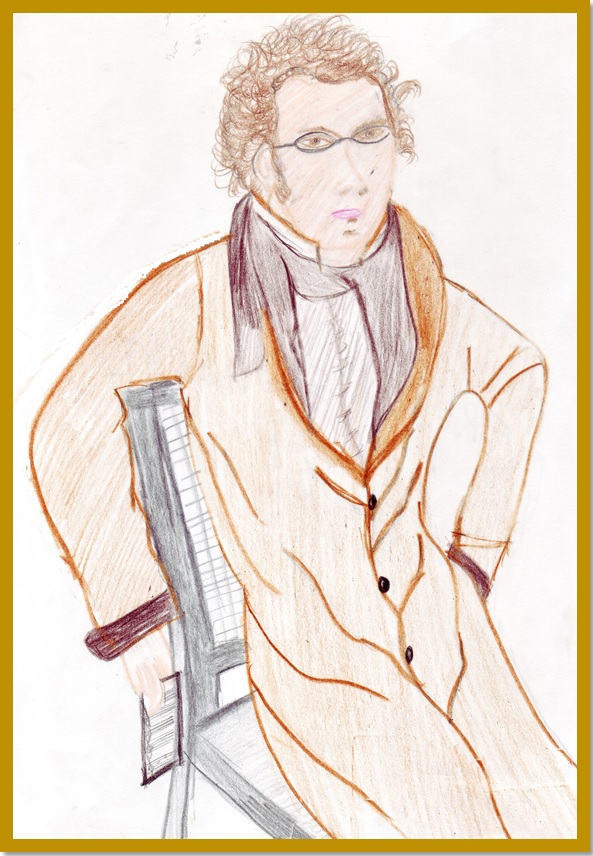 - Schubert (Winter Journey)
- Mendelssohn (A Midsummer Night's Dream)
Orchestras increased the number of instruments. That’s how great compositions appeared like the ones by:
- Tchaikovsky (Swan Lake, The Nutcracker).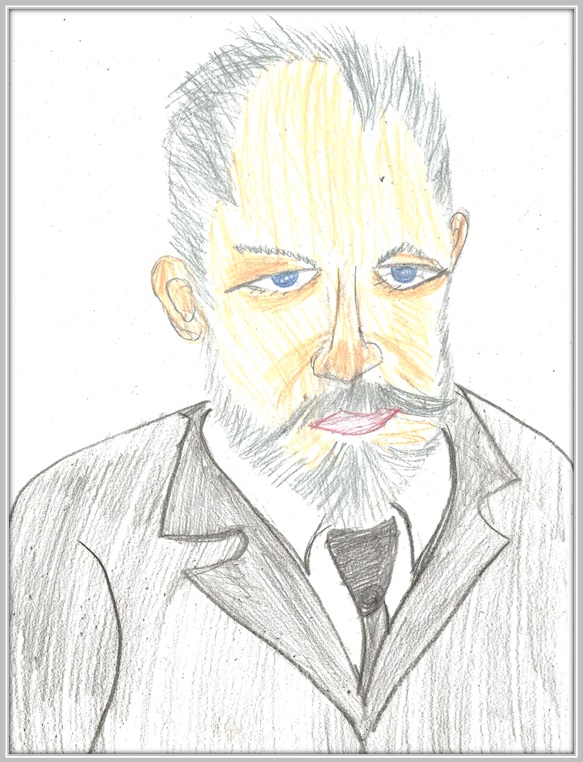
- R. Strauss (The Bat, Emperor Waltz).
Opera was still very important, and it is the century of the great works by composers like:
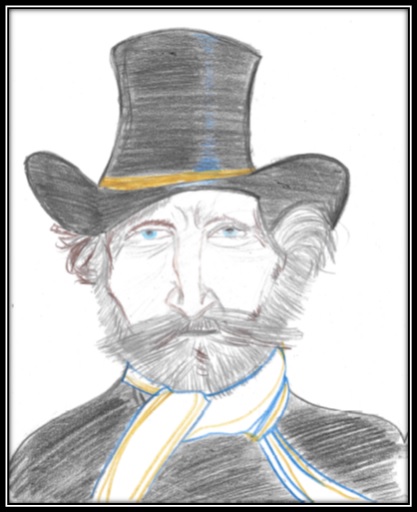 - Verdi (Nabucco, Traviata, Don Giovanni, Alda)
- Puccini (Turandot, La Boheme, Madame Butterfly, Tosca). 
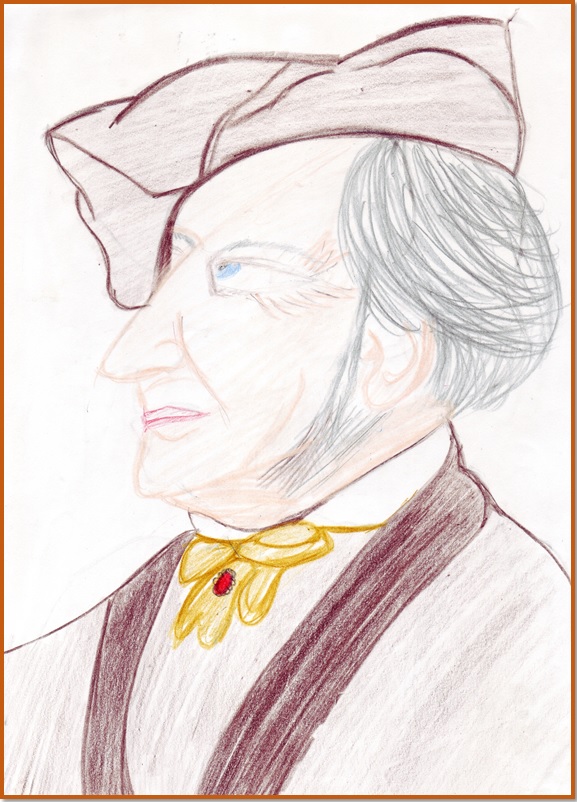
- Wagner (Tanhausser, The Ring of the Nibelung).
What did you learn about Classicism and Romanticism?
Read and complete:
Licensed under the Creative Commons Attribution Non-commercial Share Alike License 4.0