DANCING
Dance in the Clasicism
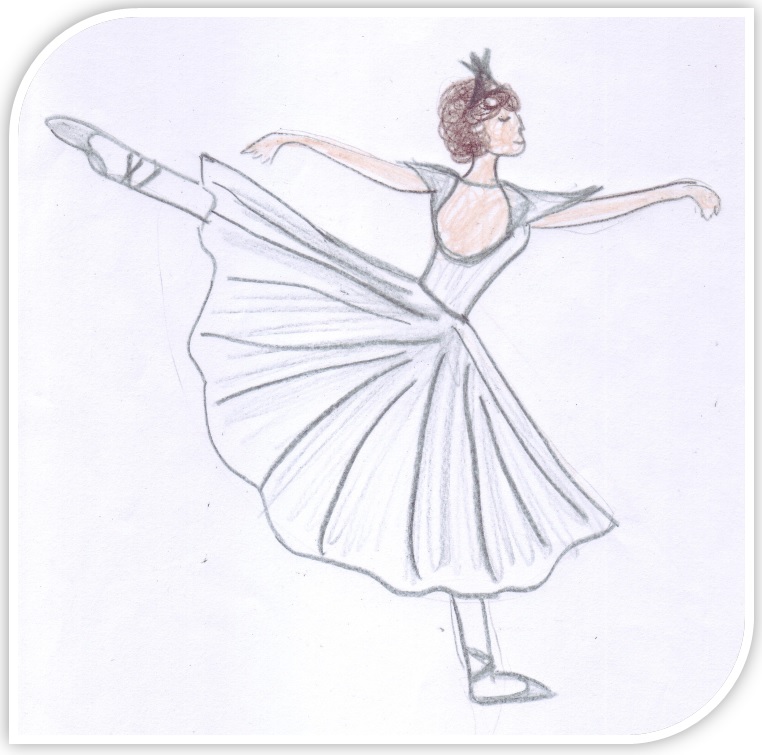 At the beginning of Classicism some changes in dance began to take place.
Jean Georges Noverre, choreographer and dancer, it’s the one who started what’s known nowadays as ballet. He explained everything in “Letters on dancing and ballets” (1760)
That is how the “Ballet d’action” was created. This showed that dance, mimic and music could tell a story without resorting to poetry or songs. This gave birth to modern ballet.
In the new dances Baroque masks and wigs are no longer used. People could see each other better, and gestures and expressions were more important.
Women were more and more allowed to take part.
Dance was before part of an opera, but it was little by little getting independent.
Dance in the Romanticism
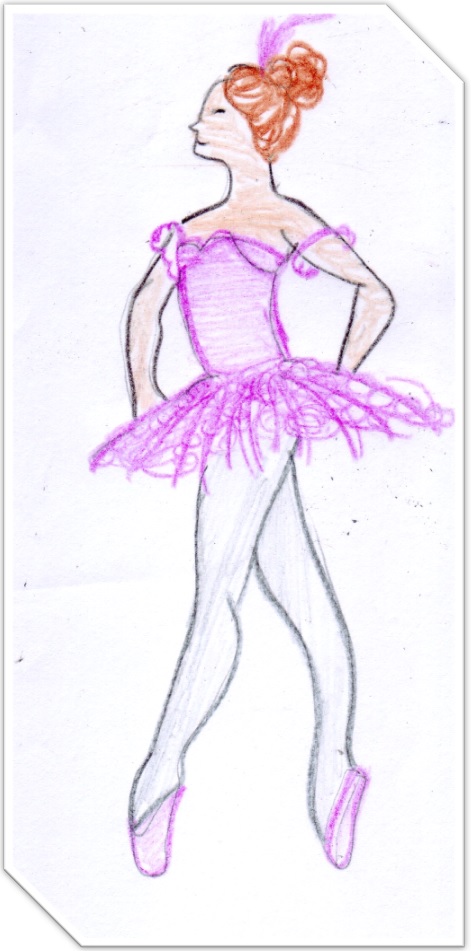 Dance kept progressing and it was the century of great ballet virtuosos, with more stylized figures and more complicated steps.
With the first release of Taglioni’s La Sylphide ballet as we know it nowadays started, by dancing on the tip of their toes and with tutus.
Some of the most important ballets, like the Swan Lake or the Nutcracker, were composed by Tchaikovsky.
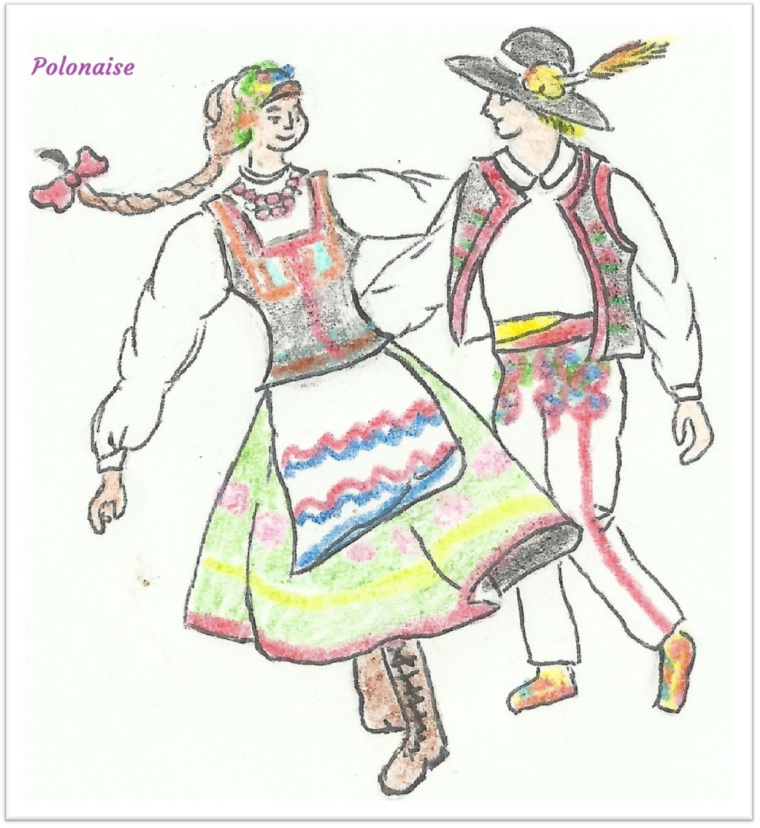 Besides ballet, ballroom dances were very important again thanks to the new social class, the bourgeoisie.
The most popular one was the waltz, above all in Vienna thanks mainly to the composer Richard Strauss, known as “the waltz king”.
From 1850 onwards, there was a growing interest and importance in music from each country.
Some dances like these developed: Polka dance in Czechoslovakia, Bolero or Fandango in Spain, Mazurka or Polonaise in Poland.
Let’s dance a Viennese waltz!
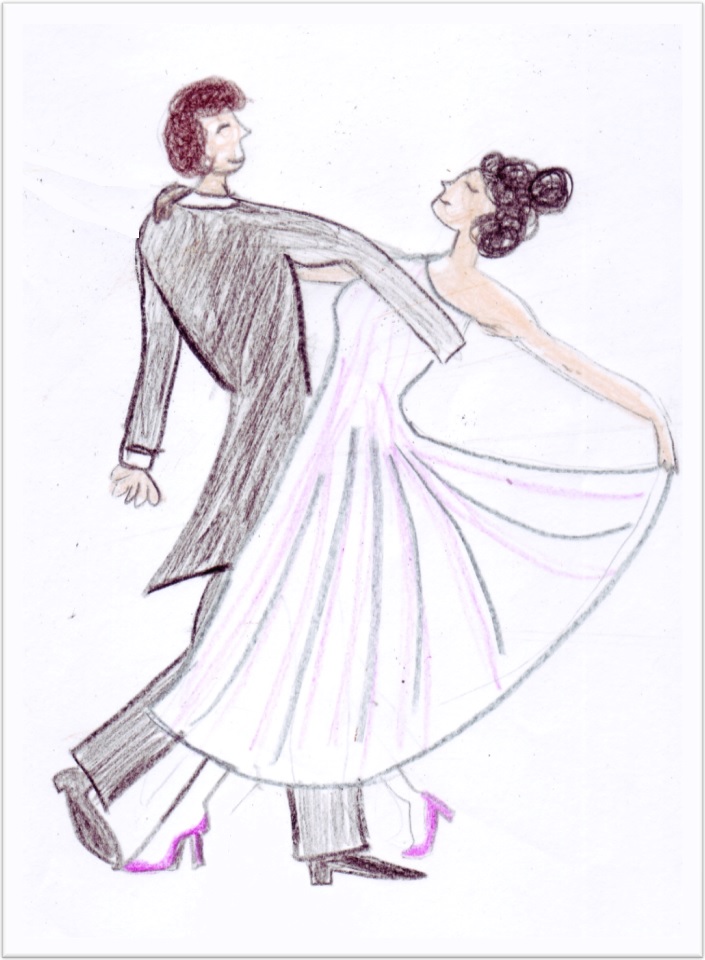 We are going to travel in the time machine again and wear some of our best clothes to attend a Viennese ballroom dance where R.Schumann’s waltzes are playing.
In order to take part in the dance, we have to learn how waltz was danced at that time.
The Viennese waltz is a rotary dance where the dancers are constantly turning either in a clockwise (natural) or anti-clockwise (reverse) direction. A true Viennese waltz consists only of turns and change steps. It’s a ¾ beat dance and feet move marking that quarter note.
Are you ready to spin and spin around?
Make pairs and let’s dance!
You can use this link to get some help with the movements.
Licensed under the Creative Commons Attribution Non-commercial Share Alike License 4.0