The Roman Economy
Agriculture was the basis of the economy. There were mostly little farmers but also wealthy landowners that employed many peasants and slaves to work on their huge lands. The main crops were, logically, the Mediterranean triad of wheat, grapes and olives.
Crafts were important as well. There were workshops in
the cities, with small shops where the craftsmen sold their products.
Mining: gold, silver, iron, copper, tin, lead, and
mercury were mined. There were salt mines on the Mediterranean coasts, and
salt was used to season and preserve food.
Trade developed considerably thanks to a single
imperial currency and a vast network of roads (viae) and ports. In
Rome's Trajan Market, one could easily find oil and garum from
Hispania; spices, silk and cotton from India or slaves from Africa.

Activity: Shopping at the Trajan Market in Rome
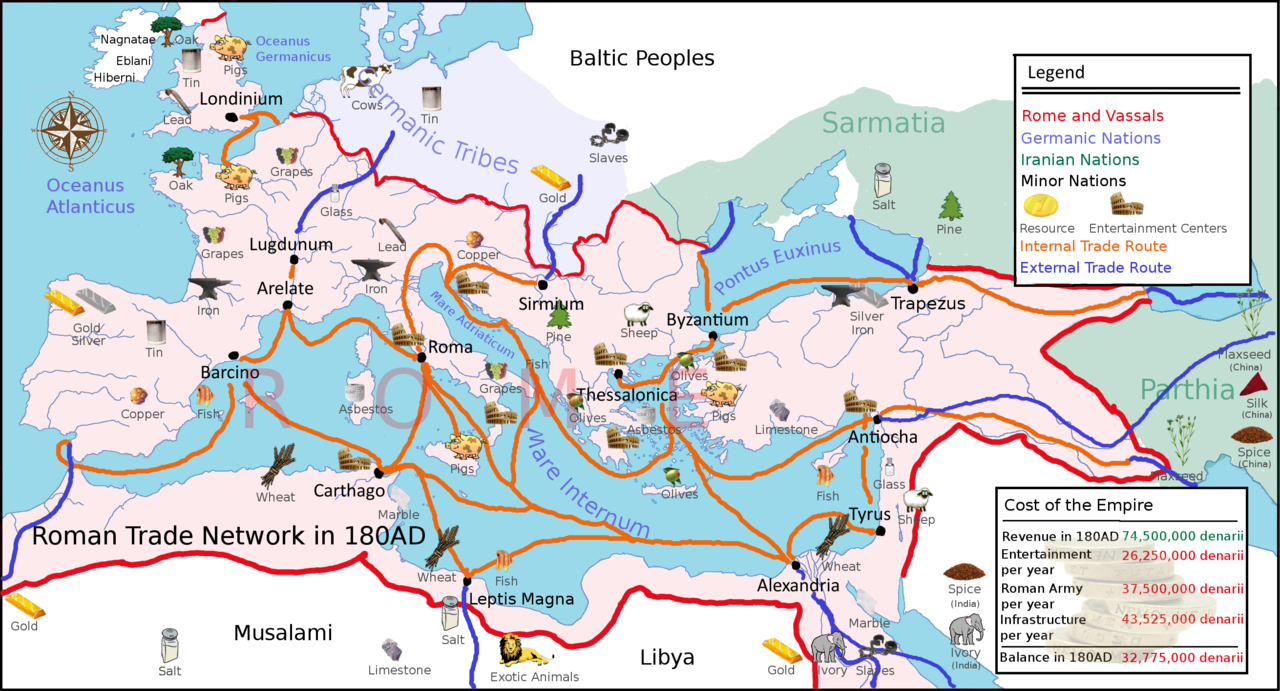
It was said that one could find everything from everywhere at the Trajan Market in Rome. Check this map out and make a list of products you could find in this market along with their origin.
Activity
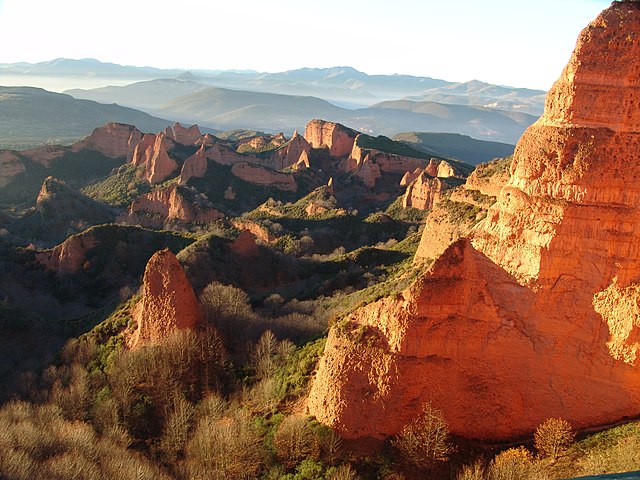
Have you heard of Las Médulas in the province of León? Look for information here and prepare a short presentation about this amazing Roman minery. The presentations will be uploaded to our classroom blog landofpotters.