HISTORY
Galicia
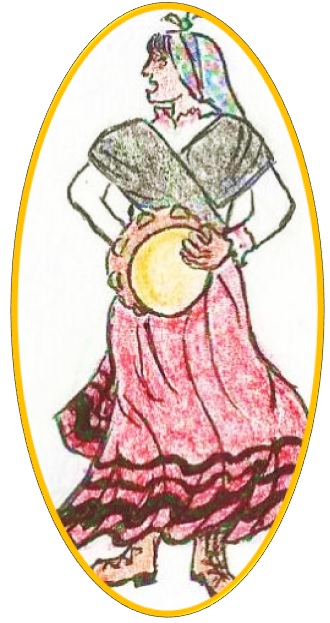 As we saw in previous years, our traditional music is collected in songbooks, like the one by Casto Sampedro. We can see in them all the genres there are like: Cantos de Nadal, (aninovos, reis or panxoliñas), Cantos de Entroido and Maios, cantos de arada, cantos de arrieiros, espadeladas, cantos de berce, alalás (the oldest known forms), regueifas, desafíos and cantigas de roda.
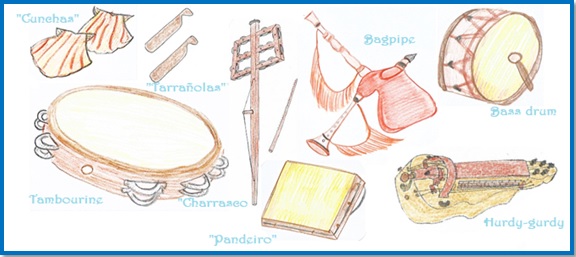 Our traditional instruments are many and very varied. Lots of them you already know them for sure. We are going to review them: bagpipe, hurdy-gurdy, tambourine and hand drum.
In the 20th century come groups that used these melodies appeared but they gave them a modern approach. Some of these groups are Milladoiro or Berrogüeto.
Europe and its music
Traditional music in Europe is very diverse, and each of its countries has its own music, but sharing some similarities. The most prominent are:
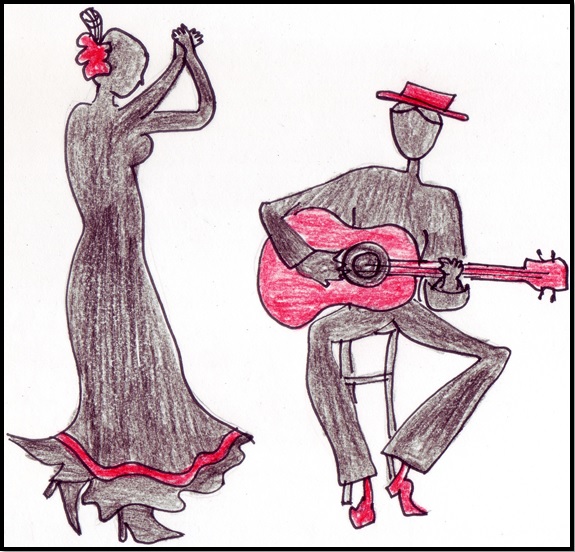 - Flamenco: typical of the south of Spain. It arose from the mixture between the Arabic and gipsy cultures that coexisted in this area.
- Fado: songs accompanied by a guitar, melancholic and nostalgic, similar to flamenco but from Portugal. They are also influenced by the music from the north of Africa in its long groans.
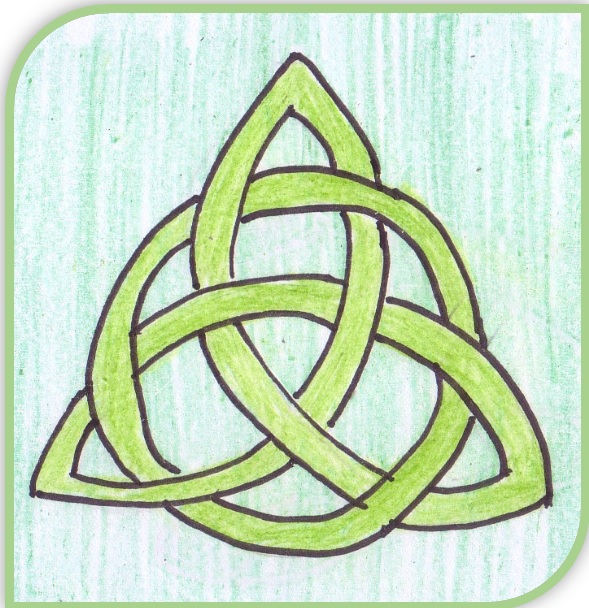 - Celtic music: it’s located in the European Atlantic coast (Ireland, Scotland, Brittany, etc.) but its influence reached far away lands like USA (country music) or Canada. Its main characteristics are the use of pentatonic scales and fast and danceable movements, as its main function was to be the accompaniment for festive environments.
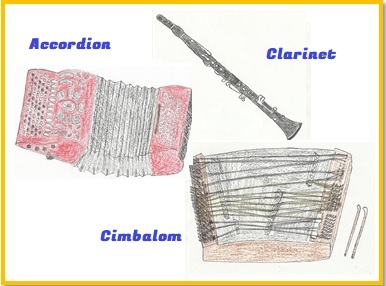 - Klezmer: it’s a musical genre associated with Ashkenazi Jews. At the beginning it was instrumental music, that is there were no voices, and it was used in all kinds of Jew celebrations, like weddings. Little by little it was becoming more and more popular, and they added some lyrics to the songs they were already playing. These lyrics used the Yiddish. This language emerged when the Jews arrived in Europe and the Germanic was mixed with the Hebrew they spoke.
Who was Paco de Lucia?
 Let's play as if we were detectives, looking for information about this musician:
Who was he?
Where was he from?
Who did he play/perform with?
What style of music did he play?
What instrument did he play?
Music in America
There are two areas in this big continent:
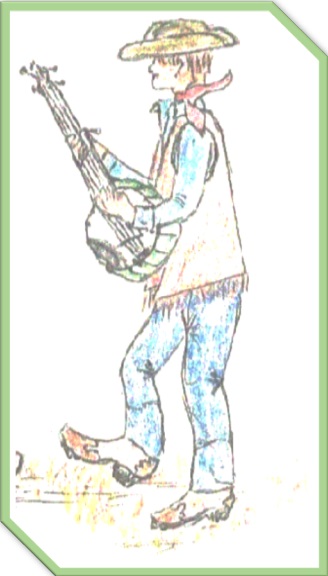 - North America: influenced by music in Great Britain and Africa, brought by slaves, it gave place to styles like country music (nashville, bluegrass, etc), gospel and blues. The banjo is characteristic of this kind of music.
 - South America: influenced by music from conqueror countries like Spain or Portugal and form African music. This mixture gave place to such well-known genres like the samba or forró in Brazil, Cuban rumba or mariachi music in Mexico. But there also survived native music that used instruments like the pan flute or the Indian flute.
African music
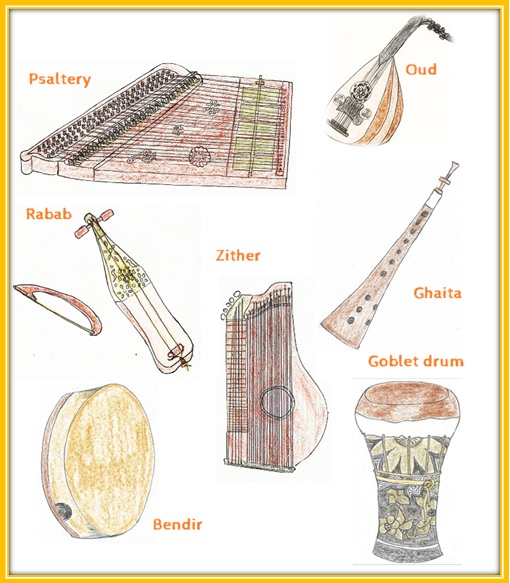 In the north of Africa there was plentiful of Arabis influence that comes from the Middle East and spreads to Al-Andalus (Spain). It’s mainly a melodic music with instruments like the oud, rabad or ganum.
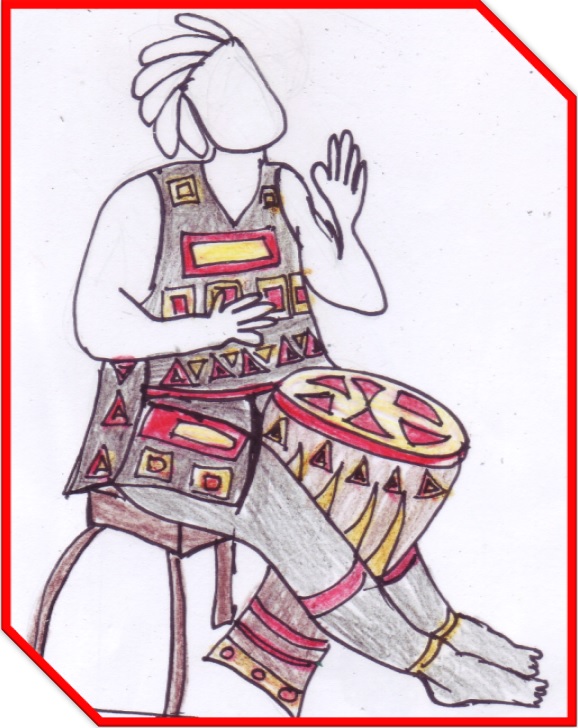 However in the centre and the south of the continent the music is more rhythmic. It has polyrhythms where the corporal percussion and dance are essential in everyday life. It’s ritual and oral transmission music, without neither musical notation nor music theory. This music is the most influential in styles like blues or country music, as we’ve already seen. The most important are the percussion instruments, with drums, although they also had others like the mbira, kora or balafon.
Asia and its music
Asia is the biggest continent, where many races, languages and different religions live together. Its music is so rich and varied as the different peoples that make it up. Some of the most important are:
- India: as we saw in unit 2, India is one of the oldest civilizations from which we keep information thanks to the VEDAS that are Hinduism religious books. The most typical instruments are the sitar and the tabla.
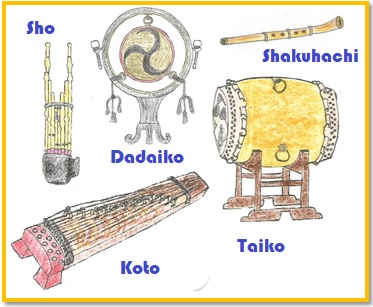 - China and Japan: two countries with similarities that are characterised for the use of the pentatonic scale (5 sounds) and instruments like the koto, sho, shakuhachi, dadiko, among others. When music and theatre are joined they give place to the opera or the shadow play in China and the Noh theatre in Japan.
Music in Oceania
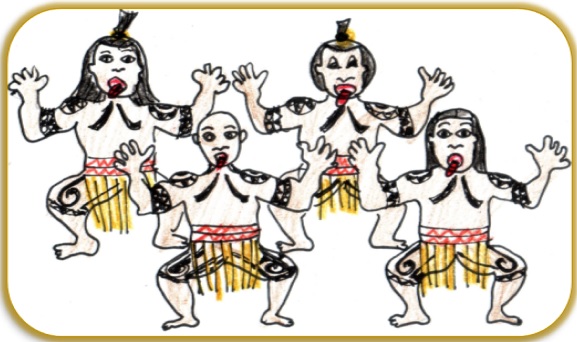 Oceania includes Australia and New Zealand, but also the islands of Hawaii, Micronesia and Polynesia, among others.
The aborigine’s music that is very well known is the one from the Maori culture, which was influenced by the arrival of the Anglo-Saxons, Irish and Scottish mainly, who brought their own culture.
The most characteristic among the Aboriginal instruments due to its sound was the didgeridoo.
The Maoris are also famous for a ritual dance that the rugby players imitate before a game. Do you know which one it is?
What did you learn about folklore?
Read and complete:
Licensed under the Creative Commons Attribution Non-commercial Share Alike License 4.0