HISTORY
First inventions
The magic lantern was the first object that allowed to see two images in movement at the same time. They were used in fairs.
In 1800 there were others, very similar; which used mirrors and a wheel with different pictures: 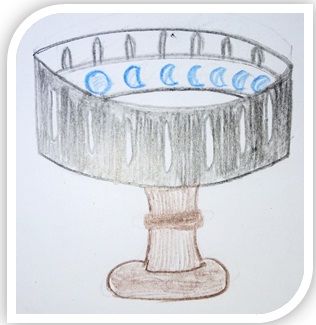
- Rotoscoping: this object was used to make the special effects. For example the lightsabers in Star Wars.
- Zoetrope: it was a very popular toy at that time.
In 1891, Thomas Edison invented the kinetoscope, that allowed to see short films but only by one person, it could not be shown in a screen. They were first popular in fairs. Then in New York there were some rooms where you could see them by inserting a coin.
Cinematograph
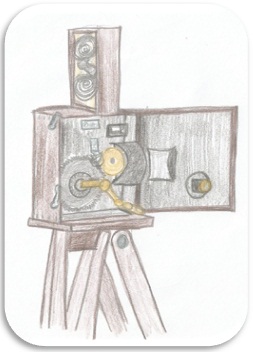 In 1895, two French brothers, Auguste and Louis Lumière registered a machine that could record and project images in movement. They called it cinematograph.
The first film they made only lasted a few minutes and it was about some workers leaving the factory Lumiére in Paris.
The first commercial projection took place at the Grand Cafe on Paris: it only cost 1 franc to watch the film and you could see the first dog in cinema history.
It was a great event!!!
Silent film
The first films did not have any sound, they were silent, you could only hear the sound of the machine.
The owners of cinemas thought it was a good idea to include music to make films more entertaining.
So they started to hire pianists and orchestras to have live music.
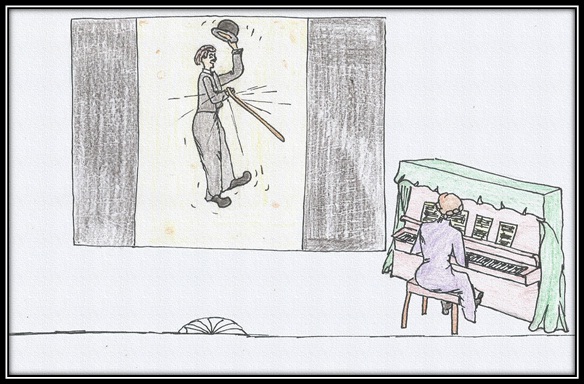
Musicians could improvise or play classical music. But there were moments in which they had to use very specific music like in battles or love scenes.
One of the most famous actors was Charles Chaplin, "Charlot".
In the film "L'arroseur arrosé" there was the first paid actor. The next film was about a train arriving to a station and people ran away because they were afraid of being run over.
What a fright!!!!!
Who was Charles Chaplin?
Let's play as if we were detectives, looking for information about this actor: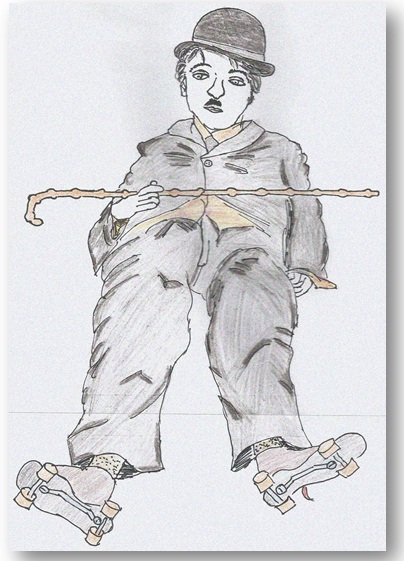
Who was he?
Where was he from?
Was he married? Did he have children?
How many films did he make?
How were his films?
Other interesting things
Special effects
There was a magician and illusionist called George Meliés, who saw the great potential this new invention had for his shows. 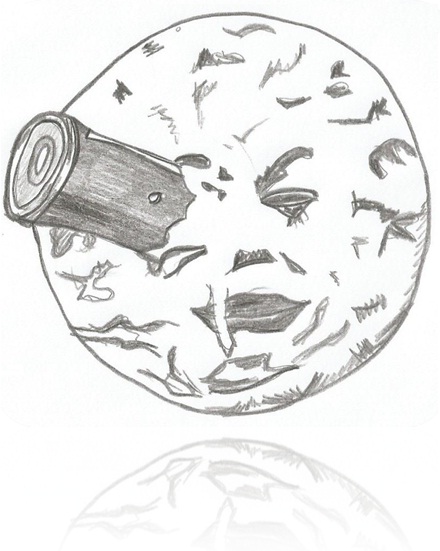
With his crazy inventions he was the first one to include special effects in his films: flying heads, objects coming to life, people disappearing, etc. He was also the first one to make colour films.
His most important film was "Le Voyage dans la Lune" inspired by a book written by Jules Verne.
Sound film
In 1927 it appears the first spoken film: "The Jazz singer" 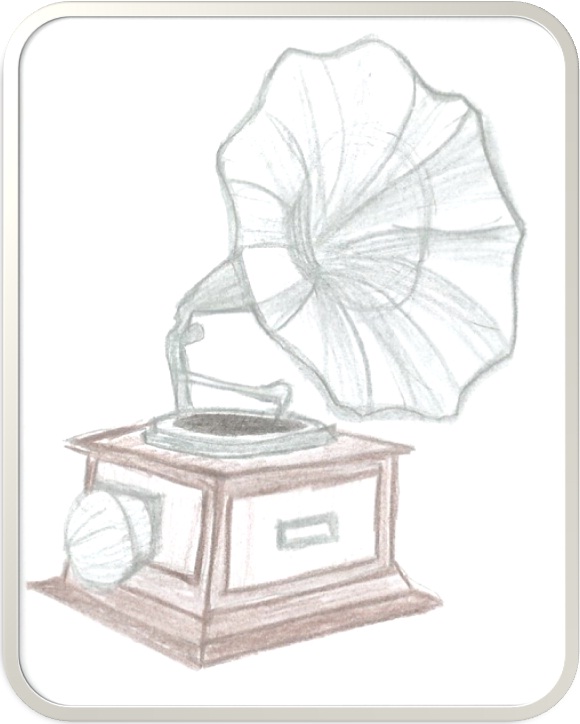
The whole audio was recorded and then it was played in a gramophone while the images were shown with the projector.
The next step was to include sound and image in the same film.
Do you know what a gramophone is?
Let's keep on playing as detectives to find out more about the different machines that allowed to play music through history.
What is a gramophone?
And a phonograph?
How could people listen to music before the invention of mobile phones?
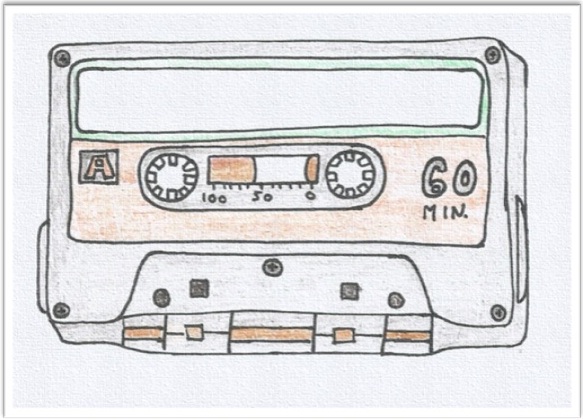 What was a cassette?
And a vinyl? 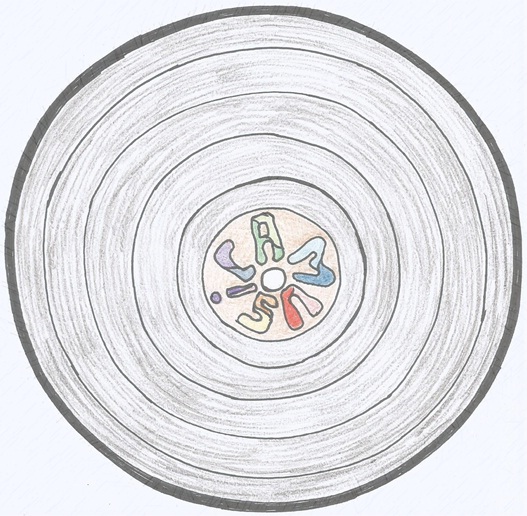
Cinema today
The Soundtrack includes music, dialogues and sound effects, although it is always associated only with music.
Music has a very important role in films. The melodies can be original or use parts from popular songs, both in classical and modern music.
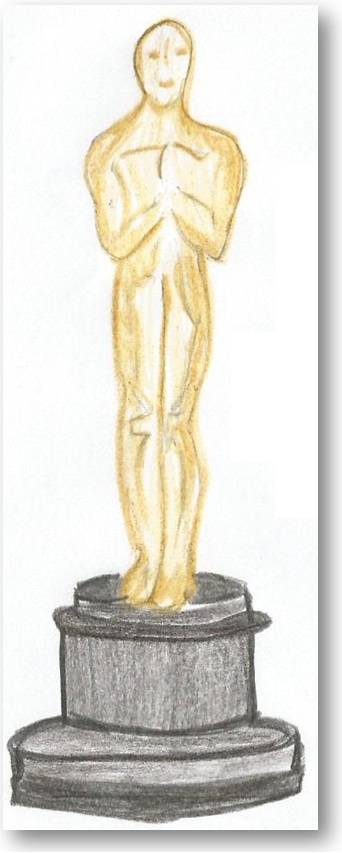 Soundtracks are so important that they have their own prizes in the different cinema events around the world.
The most important prizes are the Oscars in USA. John Williams is the composer who won this prize in more occasions.
John Williams wrote music for famous films such as Jurassic Park, Star Wars, Tiburón, Harry Potter, E.T., Schindler´s List o Fiddler on the Roof.
In Spain, the basque musician Alberto Iglesias won the Goya prize several times. It is the most important cinema prize in Spain. Some of his films are: The kite runner o La mala educación (The bad education).
What did you learn about cinema?
Read and complete:
Licensed under the Creative Commons Attribution Non-commercial Share Alike License 4.0