TIME FOR...

Teamwork team. Geralt. Pixabay. CC0
You arrived at the UK!
Now we need to know a little bit about how to travel in the UK. Depending on the city you are in, you can take different means of transport. Big cities such as London offer more possibilities to move around: taxis, buses and underground.
- The typical London taxis are "the black cabs". Its name refers to the colour, black. But you can find some of them decorated, as in the picture with the UK flag. When taking a taxi or a bus REMEMBER ENGLISH PEOPLE DRIVE DIFFERENT to us, so you can feel a bit confused at the beginning. Which way of the road do they drive?
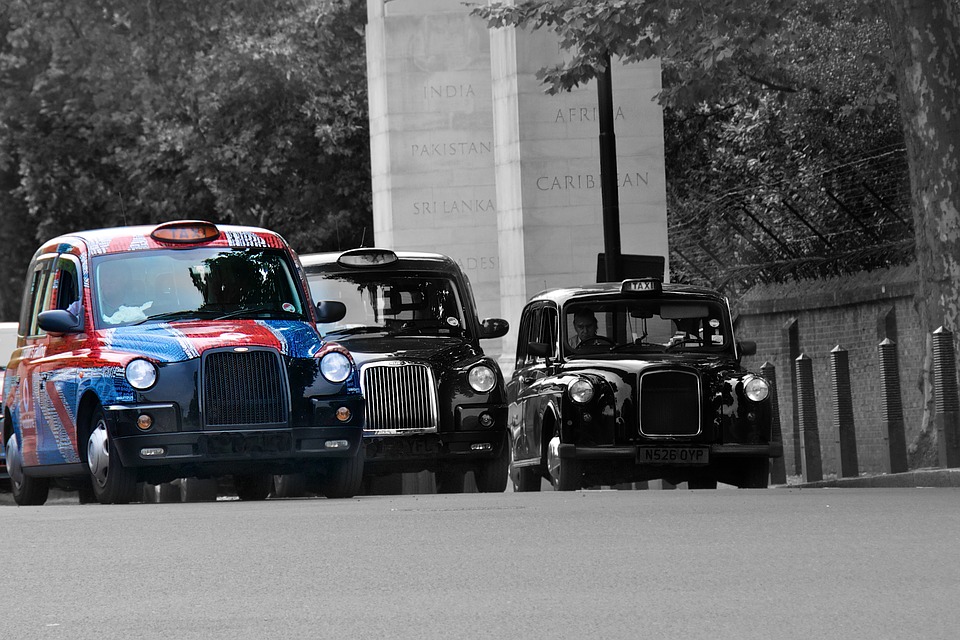
United Kingdom. Wiggijo. Pixabay. CC0
- The typical London buses are the red double decker buses. They are red and they have two floors. Apart from London you can find these buses in other cities with different colours. Here you can see the difference between a new and old London bus, but with the same colour and style.
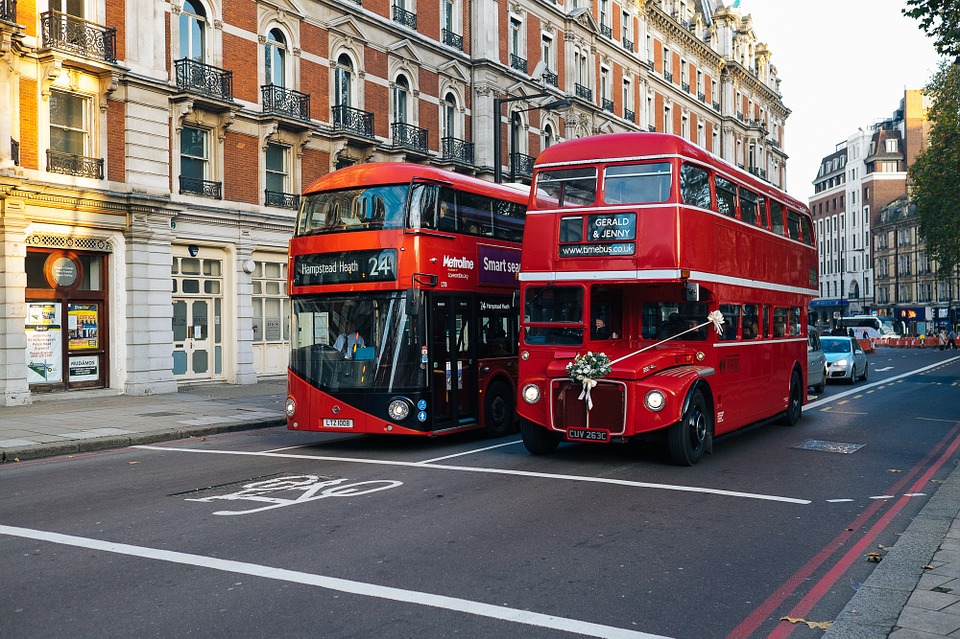
London bus. Philippreiner. Pixabay. CC0
At the bus stop you can see the route map and the timetable but if you don't understand you can ask other people or the bus driver. Watch the video to see how to do it.
Bus part 1. BBC Learning English (Accessed on 14/05/2018).
You're in the bus and you realize you are in the wrong bus! What can you do? Then watch the video's ending.
- The underground is very fast, more than taxis or buses. It is like a train but it goes under the ground. In London people also call it the "London tube". You can only find it in big cities. If you want to take the underground look for this sign!
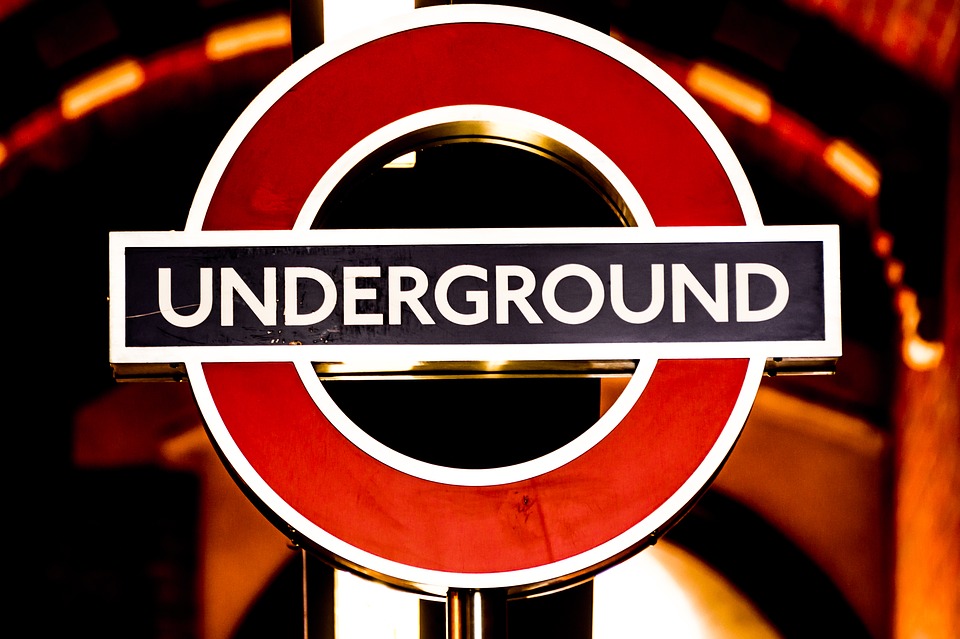
London underground. 627389. Pixabay. CC0
Using the underground can seem a bit difficult but it's not if you follow the signs! Let's do some practice:
- First you locate the underground sign on the street, imagine you are in front of sign. Where are you?
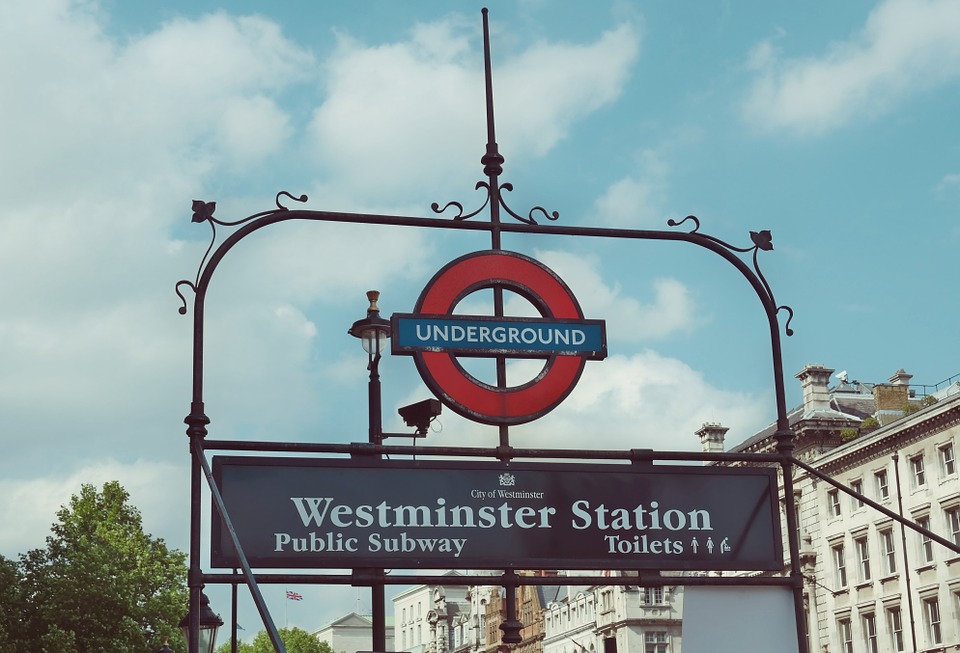
Metro sign. Xxolgaxx. Pixabay. CC0
2. This is part of the underground map in London. You can find it for free on the Internet or in the stations.
Locate the previous station in the map and imagine you want to go London Bridge. Which line colour do you follow? How many stops? Remember all the stops have a name.
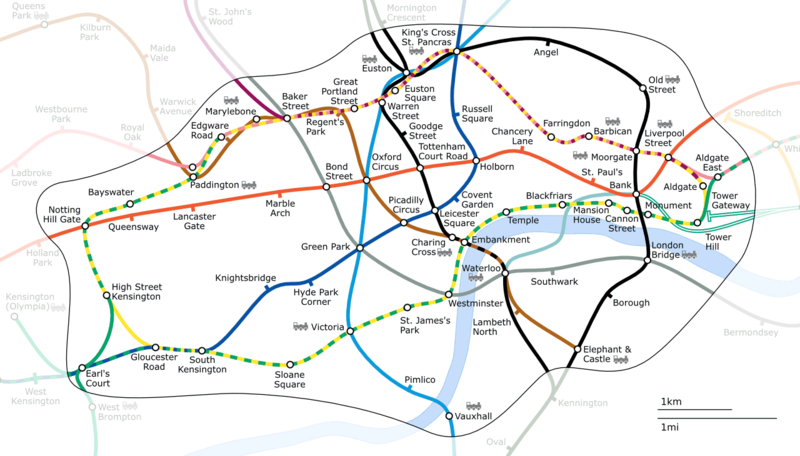
London underground zone 1. Edg 2 s. Wikimedia. CC BY-SA
Now let's make it more difficult. You are in Oxford Circus and you want to go to Hyde Park Corner. Can you find three different routes to get there? Which one is the best? Why?
3. You chose a route and now you are in the station. It's very important to pay attention to all the information signs. Can you locate in this picture the map of your line, the name of the station you are in and the sign to go out of the station?
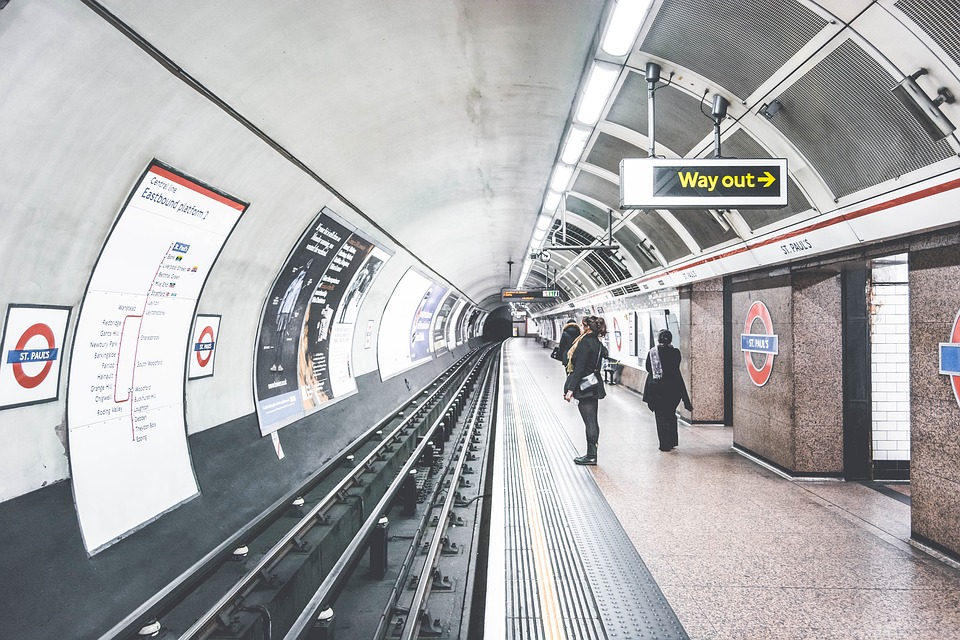
Tube London. Free-photos. Pixabay. CC0
4. Very good! The underground is coming and you get ready to get on it. But don't forget the warning! What does it mean and where is it?
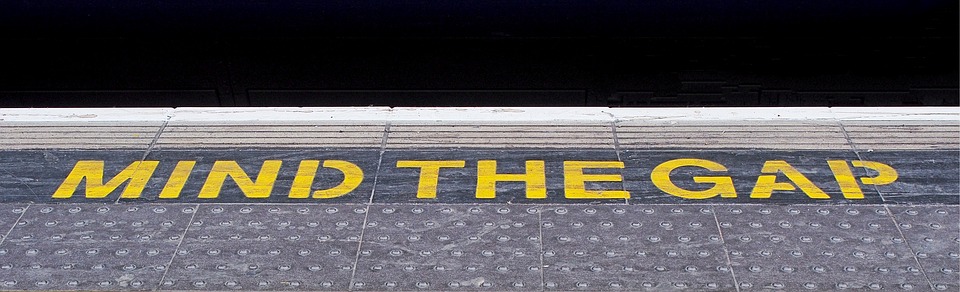
Railway platform. Aitoff. Pixabay. CC0
- During your trip, if you want to visit a different city or town that is far, you can use a train or a plane. You can book your ticket on the Internet or in the office. Are you ready to buy it?
- What's the difference between outbound and return date?
- Which one is cheaper, business or economy class? Flexible or fixed ticket?
- What do you prefer, a window or an aisle seat? Why?
Now watch the video from minute 2:03 to clarify your answers and practise the conversation to book your ticket.
Language for booking a flight. BBC Learning English. (Accessed on 14/05/2018).
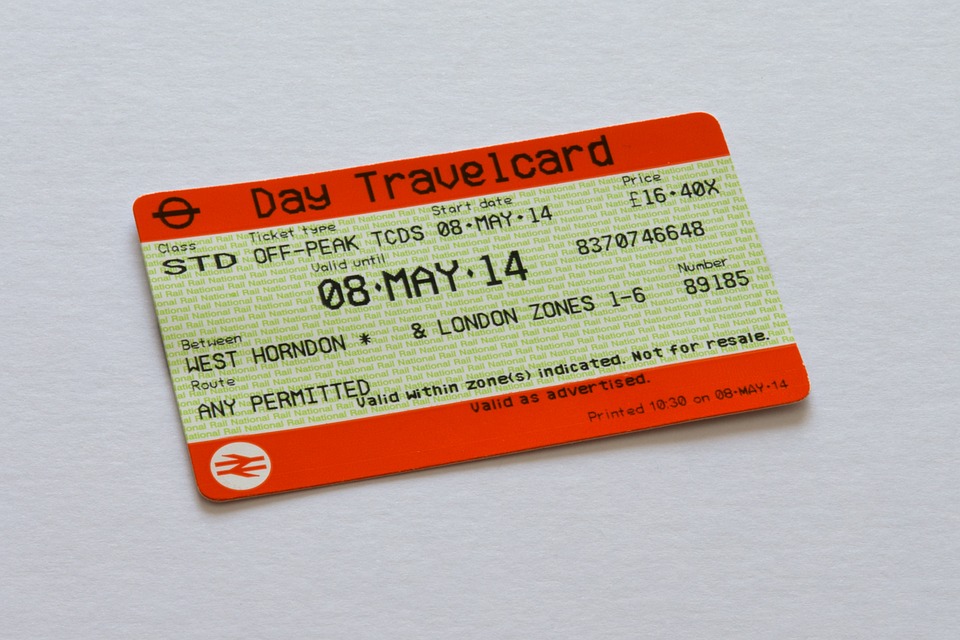
- Buying a ticket for the BUS or UNDERGROUND is a bit different to booking a train or flight. Normally you buy it in a machine or office in the underground and to the bus driver. Here you can see a bus ticket machine and an underground ticket.
- What main differences are there between a flight ticket and an underground ticket?
- Do you need the passport to travel in the bus?
- Look at this machine, can you insert a note? Do you need exact money?
- Look at the ticket, what does Off-peak mean?
-How much is the ticket?
- Which route is it for?
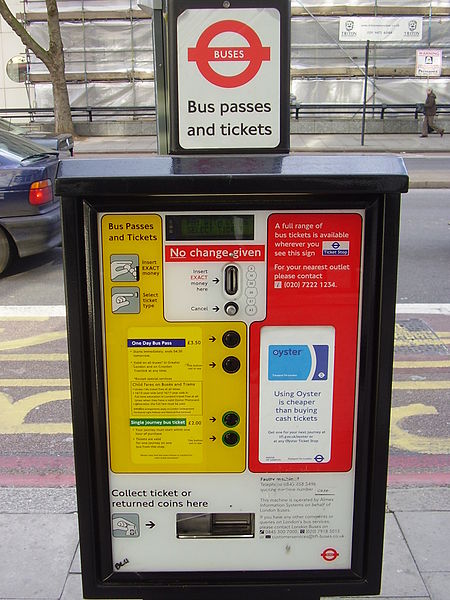
London bus ticket machine. Genesis 12. Wikimedia.
CC0Travelcard ticket. RonPorter. Pixabay. CC0
TIME FOR...

Feedback confirming. Geralt. Pixabay. CC0
- What means of transport do you prefer to move in London? Why?
- Have you ever tried it? Where and when?
- Did you like it? Share your impressions with the group.
- What means of transport do you prefer to visit a different city during your trip? Why?
- Have you ever taken the wrong bus, train, underground? What did you do?
EXTRA PRACTICE
When travelling to a new place we can find ourselves in unexpected situations, for example if we are ill we may need to go to the doctor, to the pharmacy or call an ambulance; or if we want to go shopping to a clothes shop, supermarket, post office....
Sometimes we can have problems to express what we want, in the BBC you can practise these important and useful conversations.