Skip navigation

Typical board games

Classic vs. modern board games

TIME FOR...


Blackboard boys. OpenClipart-Vectors. Pixabay. CC0

What are board games?

  • What's the difference between classic and modern board games?
  • Can you tell one or two examples of each?
  • Do you like board games?
  • Which is your favourite one?
  • Do you prefer traditional games or board games? Why?

TIME FOR...


Chalkboard blackboard. Prawny. Pixabay. CC0

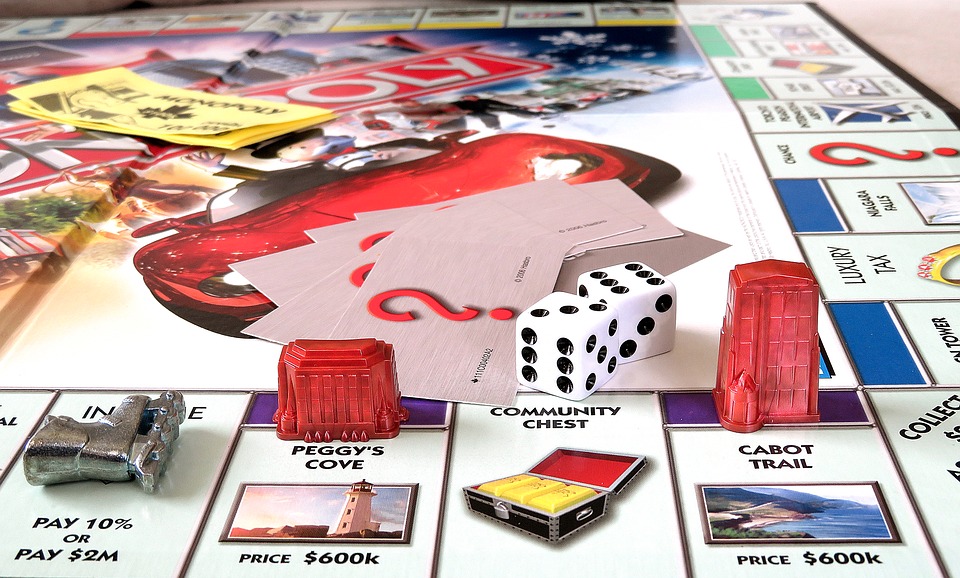
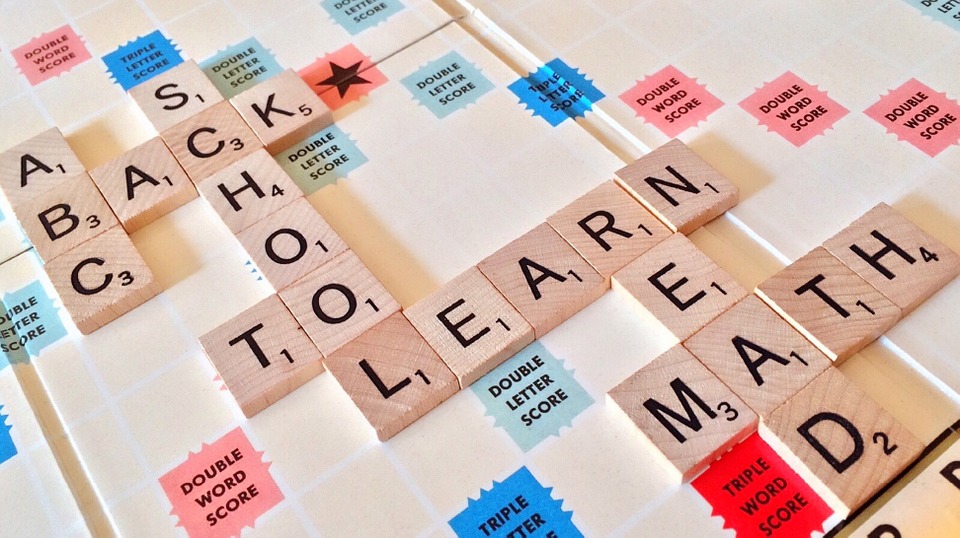
Do you know this game?

Look at the two pictures below and discuss with your partner.

  • What is its name?
  • Is it classic or modern?
  • When was it created?
  • Can you explain the instructions to play?
  • Have you ever played it? When and who with?
  • Did you like it? Why or why not?

1    2 

 Monopoly Canadian. Erika Wittlieb. Pixabay. CC0                                                                                  Scrabble Education. Wokandapix. Pixabay. CC0

Well done! Now you can have a look at the answers and know everything about these games!
Typical English board games

TIME FOR...

Teamwork team. Geralt. Pixabay. CC0

English board games for kids

There are different types of board games. Some of them are classic because they were created a long time ago and they are very popular. But do you know any of them?

  • If you know, tell your group about one.
  • If you don't know, don't worry, we are going to work on some of them.

Play wooden blocks. Skitterphoto. Pixabay. CC0

Each group is going to work on one game.

1- Have a look at these websites and choose the game you prefer (choose one you never played before). When you decide tell your teacher so that all the groups work on a different game.


2 - Summarize the game in a chart in your notebook. You can use a model like this:

Name of the game
Number of players
Equipment
Instructions

3- Decide how you are going to present it and practise. You can include a demonstration (use your imagination to create the necessary material or find an online version to show).

4- Present it in front of the class and listen to the other groups´ games.

5- Play all the games with your class!!! (look for the game in the school and if you don't have it, use your imagination to create the necessary material or find an online version to play).

Parts of a board game

Question

TIME FOR...


Girls read . Kidaha. Pixabay. CC0

Depending on the game, the material to play is different. But there are some parts that are common to a lot of games. Do you their names? Let's guess!

What's this?

Figures games. Inspired Images. Pixabay. CC0

Hint

You use it to count.

Answers

Dice

Counter

Cards

Feedback

Question

What's this?

Jassen card game. Annca. Pixabay. CC0

Hint

You write what you win.

Answers

Board

Rules

Score

Feedback

Question

What's this?

Un Card Game. Sofi Layla. Pixabay. CC0

Hint

They tell you what to do.

Answers

Cards

Dice

Counters

Feedback

Question

What's this?

Cube play.PIRO4D. Pixabay. CC0

Hint

You roll it.

Answers

Dice

Board

Score

Feedback

Question

What's this?

Monopoly play. Doerge. Pixabay. CC0

Hint

The "basis" of a board game.

Answers

Score

Counter

Board

Feedback

Our own Snakes and Ladders

TIME FOR...

Teamwork team. Geralt. Pixabay. CC0

As you learnt before, Snakes and Ladders is a very famous classic English game .

Snakes and ladders2. Druyts. Wikimedia. CC BY-SA

We are going to make our own Snakes and Ladders so we can play it whenever we want in class.

  1. Print one sample for each group (Snakes and ladders board game. j4p4n. Wikimedia. CC0).
  2. Write questions and actions in half of the squares related to the topic you are working in class.
  3. Change your game with another group.
  4. Play it with your group!

Here you are another idea!

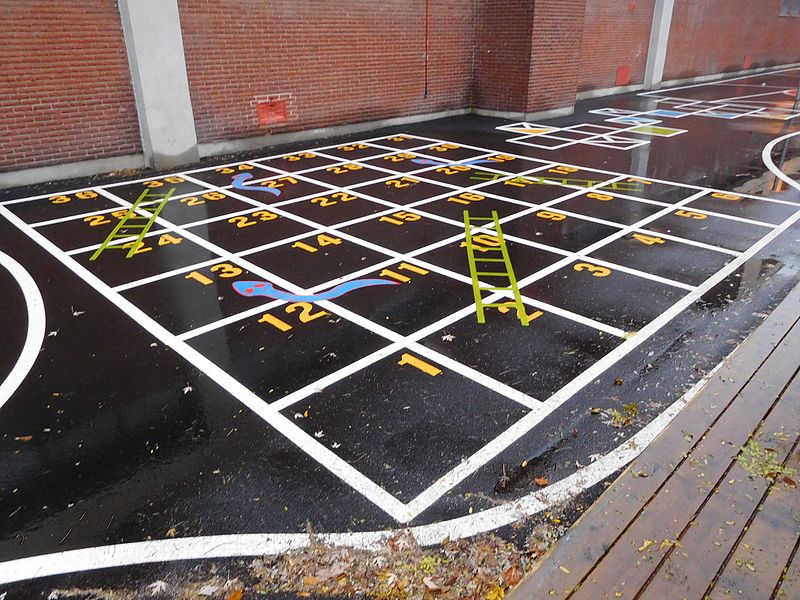
If you want to play with the whole class or during the breaks or rainy days you can make a big card or paper board (remember to play barefoot) or draw it with chalk or paint on the playground!!

You can find inspiration in the following pictures...

Do you dare?


Gamification techniques 5. Samuel Mann. Wikimedia. CC BY                                                                                                            Ecole Ludger-Duvernay 69. Jeangagnon. Wikimedia. CC BY-SA

What are we learning?

Record with your group in OBS STUDIO the new words or ideas of this lesson, you can give examples or show pictures.

Do you need help? Have a look at the video with the instructions on Playing time page.

Save your recording in your group folder with the name: Progress 3.

Success Gradual. Geralt. Pixabay. CC0